To stop automatic withdrawals from a payday lender, you must revoke your payment authorization by contacting both the lender and your bank. Submit a written “stop payment order” to your bank at least three business days before the next withdrawal, and remember that cancelling the withdrawal does not erase your legal loan balance. Taking these steps promptly may help prevent additional fees and protect your finances. Consult a debt relief attorney to understand your rights and address problems with payday lenders.
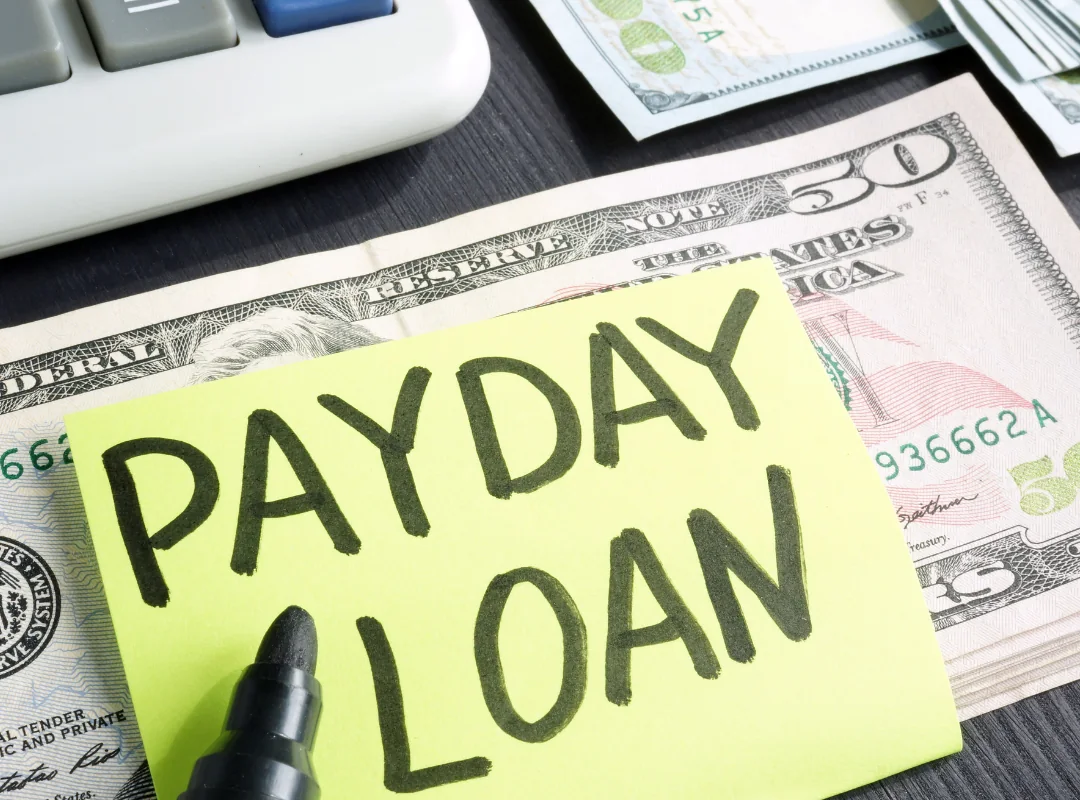
A payday loan is a small personal loan meant to cover expenses until your next paycheck. But they come with short repayment periods and high fees. Lenders often need access to your bank account so they can take automatic payments.
At first glance, this may seem convenient. You receive the money, they take their payment, and it feels like everything is settled. However, this isn’t always the case. If your balance is low, automatic withdrawals can cause your bank account to become overdrawn, which is something you definitely want to avoid. This can lead to overdraft fees, putting you in a deeper cycle of payday loan debt.
If payday loan debt feels overwhelming and you’re exploring long-term solutions, you might be asking: Do I Qualify For Bankruptcy? It’s worth finding out.
People try to stop automatic payments for different reasons. Maybe you’re trying to get back on your feet and need to manage your money better. Maybe the payday lender took more than expected. Or maybe you’ve realized you’re badly stuck in a payday loan trap.
Whatever the reason is, stopping automatic withdrawals from payday lenders is your right. You don’t have to let a lender drain your bank account.
Under federal law, you have the right to revoke a payment authorization. Now, what does this mean? That means you can stop a lender from continuing to take money out. It’s called revoked authorization. It’s key in fighting back against the payday cycle.
You can also contact your bank or credit union and request a stop payment. This means the financial institutions involved will block that lender from pulling funds. It’s not automatic, though. You need to act fast and follow the right and legal steps.
Tired of constant calls and pressure from payday lenders? filing bankruptcy could help keep creditors away with an automatic stay while you sort out your finances.

First, contact the lender in writing. Write that you are revoking permission for automatic withdrawals from your bank account. Be precise and clear. Ask for confirmation.
Second, give a copy of that written notice to your bank or credit union. After that, you have to request a stop payment on future transactions. Many financial institutions require a written request or online form. Some may charge a fee. But the cost is generally less than letting the payday lender keep taking funds.
The third step is to monitor your bank account. Keep a close eye. If the lender tries again, your bank or credit union should block it. If they don’t, report it immediately.
Fourth, consider opening a new bank account. This is sometimes the best way to fully stop future payments. If the lender doesn’t have access, they can’t withdraw anything.
Before filing Chapter 7, you’ll need to complete the Means Test to see if you qualify based on income and expenses. It’s a key step for many dealing with payday loan debt.
Just because you tell the lender to stop doesn’t mean they will stop. Some may ignore your request and try anyway. This is why giving notice to your bank or credit union is highly important.
Also, blocking the withdrawal doesn’t erase the payday loan debt. The lender may send your bank account to a debt collector. That’s another challenge.
Still, cutting off the cash flow can buy you some time. You get room to think. You get a chance to find debt relief options that work for you.
Once you stop the withdrawals, now you should look at the big picture. How do you deal with the payday debt? One way is to speak with a nonprofit credit counselor. They can help you build a plan to manage what you owe.
The second option is to explore debt relief options like a debt management plan. These plans combine your debts into a single payment. You work with someone who talks to your creditors. Often, they can lower interest. They can even waive fees.
You can also talk to your bank about personal loan offers. Some financial institutions offer small personal loans to help you pay off payday loan debt. These loans generally have better terms.
No one should be caught off guard by a payday lender. Knowing your rights under federal law can be extremely helpful. If you’ve given permission for automatic withdrawals, you can revoke that permission. If your bank or credit union receives notice, they should act to protect your account.
Also, payday lenders must follow strict rules. They can’t take money after you revoke access. If they try, you can file a complaint with the Consumer Financial Protection Bureau (CFPB). No matter what, knowing your rights is highly important to protect your money and don’t let lenders exploit you. It’s also best to discuss these situations with professional attorneys, as they can guide you best according to your situation.
Not ready for bankruptcy? Consider Debt Settlement as another option to negotiate with payday lenders and possibly reduce what you owe.
Getting out of a trap or payday loan isn’t easy. But stopping the flow of cash from your bank account is a powerful first step that you must take.
Stopping automatic withdrawals from payday lenders helps you take back control of your finances. From sending a letter to your lender to opening a new bank account, every move you make counts and saves your money.
Your money is yours. With the right steps, you can stop automatic payments and avoid expensive overdraft fees. This way, you move toward a better financial future.
If you’re unsure what to do next, contact a professional. A reputable counselor or financial advisor can help you explore real debt relief options. Break free from the cycle. Take charge. Stop the withdrawals—and start fresh.
Struggling with overwhelming debt can make everyday life feel impossible. At The Pope Firm, we guide individuals and families through the legal bankruptcy process to help establish a path toward relief. Filing for Chapter 7 or Chapter 13 bankruptcy triggers an automatic stay under federal law, which immediately halts most creditor actions, phone calls, and collection efforts. You do not have to navigate complex financial challenges alone. Contact The Pope Firm today to schedule a confidential consultation with an experienced debt relief attorney and learn how federal bankruptcy laws apply to your specific situation.
Got Questions?
Here are the answers to some commonly asked questions about stopping automatic withdrawals from payday lenders.
The lender will keep trying to withdraw payment from your account, often resulting in overdraft fees on top of the loan. Eventually, the debt may be sent to collections, reported to credit bureaus (hurting your score), and the lender could sue you for the balance, potentially resulting in a judgment and wage garnishment depending on your state.
No, not paying back a payday loan is a civil matter, not a crime. You can’t be arrested or jailed just for defaulting on the debt itself. That said, if a collector threatens jail time, that’s illegal and worth reporting, since debt collection practices are protected under the Fair Debt Collection Practices Act.
Send a written letter or email to the lender stating something like: “I am revoking authorization for [Lender Name] to withdraw funds from my bank account (account ending in ####) for loan agreement #[number], effective immediately.” Send it via certified mail or email with delivery confirmation, and keep a copy for your records.
Contact the company directly to cancel the recurring payment, then follow up in writing to confirm. You can also contact your bank and request a “stop payment order” on that specific merchant or transaction, which most banks can process, though they may charge a small fee.
Yes. Send the lender a written notice revoking the ACH authorization, and ask your bank to issue a stop payment order on that company. If they keep withdrawing anyway, that’s illegal and can be reported to the CFPB.