


Loan Modification & Mortgage Loan Modification
A loan modification is a change made to the terms of an existing mortgage by a mortgage lender. This adjustment can include:
- Lowering the interest rate
- Extending the repayment period
- Reducing the principal balance in some cases
The real goal is to make mortgage payments more manageable for borrowers who are dealing with financial hardship.
Remember that a mortgage loan modification does not replace your mortgage loan. Instead, it adjusts your current agreement with your mortgage company.
Many homeowners facing foreclosure choose this way after experiencing missed mortgage payments or changes in income.
The loan modification process generally begins with:
- Contacting your lender
- Submit your financial documents that explain your situation
- Lenders will review expenses, income, and hardship details
If your application is approved, the new terms can reduce monthly payments and help homeowners avoid foreclosure.
Missed Payments, Loan Modification & Foreclosure
When you fall behind on your mortgage payments, the risk of a foreclosure sale somehow increases. A loan modification can pause or restructure obligations during foreclosure proceedings. This will give you some time to stabilize your finances.
Instead of catching up on all missed payments at once, the lender may:
- Add those amounts to your loan balance or
- Spread them across future payments
This way can make it easier for you to stay current moving forward.
However, one thing to keep in mind is that approval is not guaranteed. The mortgage lender will assess your ability to maintain the new payment structure. If your income is too low or your debt is too high, the lender may deny your request.
Filing Bankruptcy & Bankruptcy Filing Basics
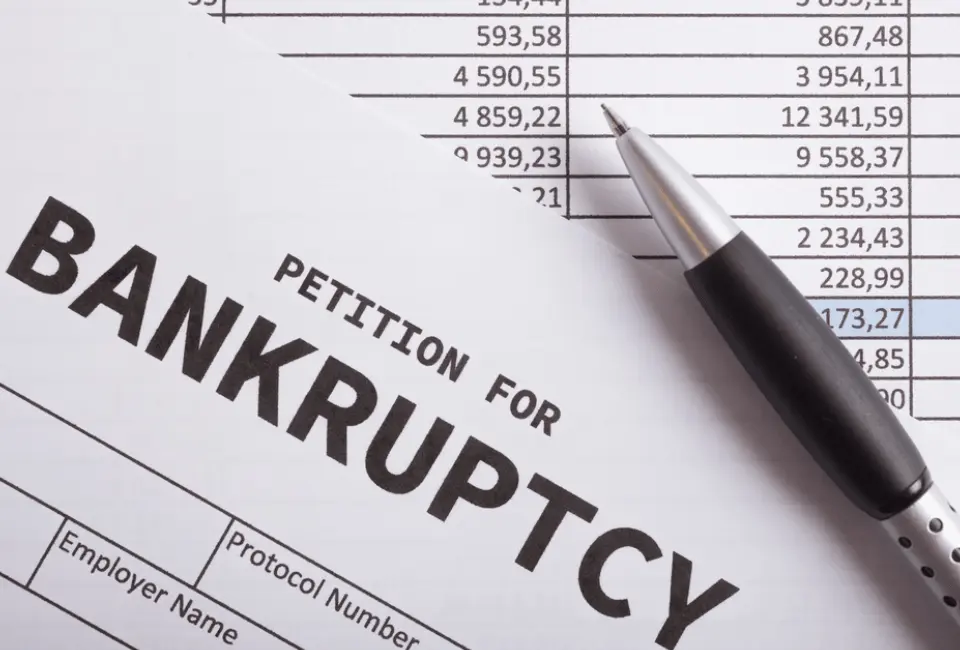
Filing bankruptcy is a legal process that is handled through the courts. A bankruptcy filing begins when a borrower submits a bankruptcy petition, which outlines debts, income, and assets. Once filed, an automatic pause on collection activity typically goes into effect, temporarily halting foreclosure actions.
You can also consider this option when other solutions, such as a refinance loan or a loan modification, are not available. An experienced bankruptcy attorney can guide you through the legal requirements.
Unlike a loan modification, bankruptcy addresses multiple debts at once. It can give you financial relief by reorganizing or discharging your obligations (depending on the chapter filed)