




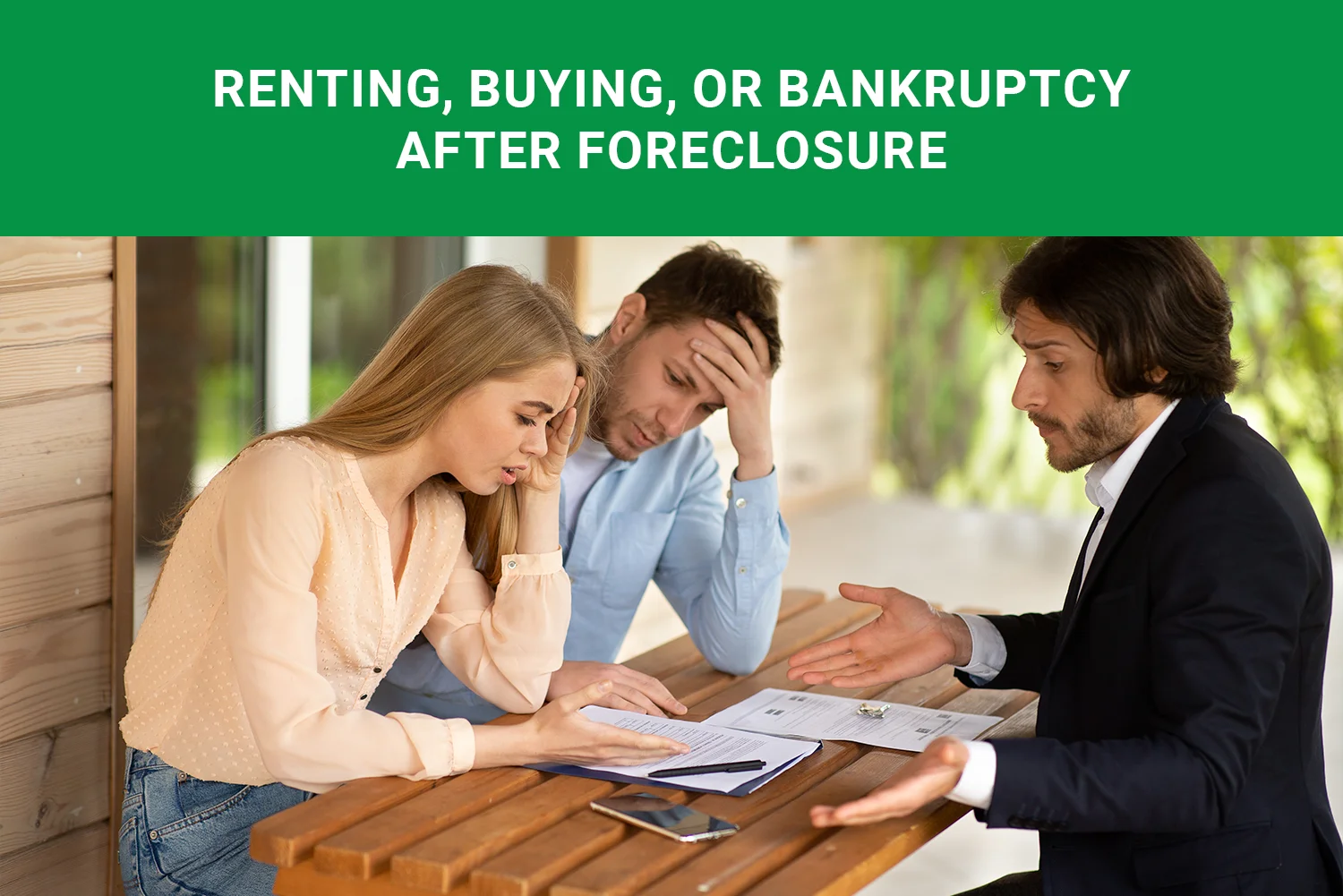
Options After Foreclosure: Renting, Buying, or Bankruptcy
Losing a home through the foreclosure process is overwhelming, but it does not mean you are out of options. Many former homeowners rebuild by renting, purchasing again after a waiting period, or exploring a bankruptcy filing. Each option has different timelines, rules, and steps. Exploring these directions can help you understand what fits your financial situation now and how to move forward after a foreclosure sale. Today, we’ll understand options after foreclosure.
How Foreclosure Shapes Your Next Move
When you fall behind on your mortgage payments, the lender begins foreclosure proceedings. Each state has its own local laws, and federal protections also apply. Once your home is sold, the new owner gains possession. Some people must leave quickly, while others receive proper notice depending on:
- Federal law
- State statutes
- The Foreclosure Act
The experience can be disruptive for some, but it also marks the start of a new phase. The steps you take after foreclosure depend on:
- Remaining debts
- Your income
- Your credit standing
- Your housing needs
The three most common directions after foreclosure are buying again, renting, or filing for bankruptcy to manage leftover obligations.

Renting After Foreclosure
Many people shift to rental housing after losing their homes. Renting offers flexibility, giving you space to recover from financial hardship while rebuilding your credit. But landlords generally need a credit check, and a foreclosure on your credit report can look alarming sometimes. Still, many property owners are open to applicants with past challenges, especially if they see stable income and responsible rent payments.
Protections for Renters in Foreclosed Homes
If you are renting a property and your landlord loses that home to foreclosure, the good news is that you still have rights. Protecting tenants’ rights, backed by federal law, requires the new owner to provide notice before tenants must move. These rules give renters time to find new housing. Tenants in foreclosed properties might also have legal recourse if a landlord violates these requirements.
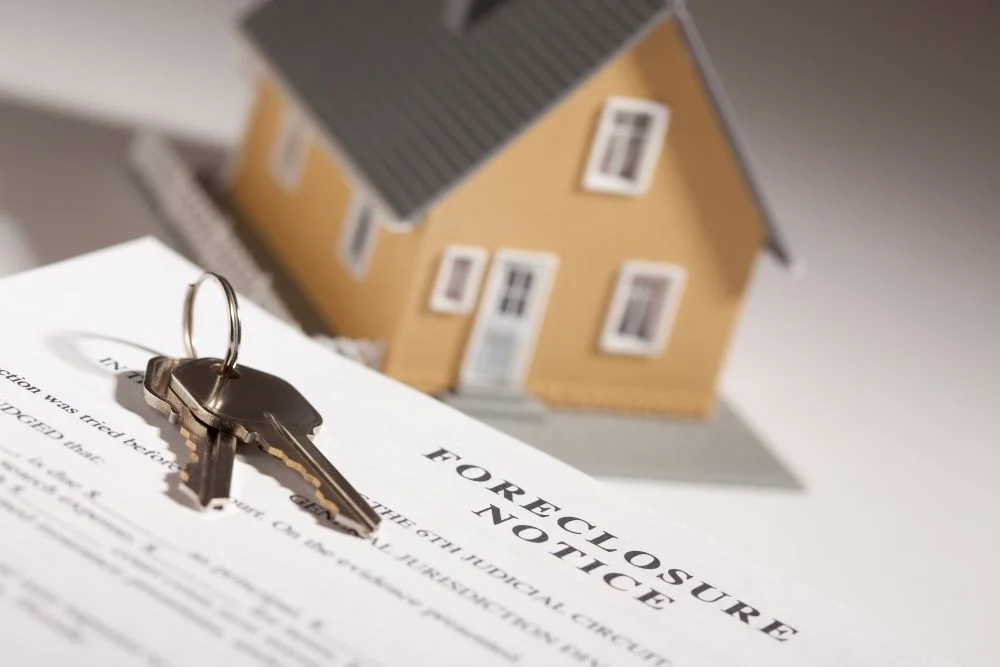
Buying Again After Foreclosure
Many people want to return to homeownership after recovering from a foreclosure. Buying again is possible; it just takes planning and time. The type of mortgage you want plays a major role in how soon you can qualify.
FHA Loans
An FHA loan generally has one of the shortest waiting periods after foreclosure. Borrowers generally must wait a few years before applying again. During that period, stable income, stable housing, and responsible financial behavior demonstrate to lenders that you are ready for a new home loan.
Conventional Loans
Conventional loans generally require a longer waiting period than FHA loans. Lenders look closely at:
- Your credit history
- Your credit report
- Your job stability
- How did you manage debt after foreclosure
Saving for a down payment is also a changer because a larger down payment can help offset the risk lenders see on your record.
What Lenders Consider
Every lender checks your credit score and your bill-paying history. Staying current on utilities, avoiding new missed payments, and keeping up with rent payments all help rebuild your profile. Many people also work to reduce other debts or negotiate settlements. If you completed a short sale before the full foreclosure, your waiting time may differ depending on the type of loan.
Bankruptcy After Foreclosure
Some borrowers continue to face significant debts even after losing their homes. If you are dealing with court judgments, credit card debt, medical bills, or collection accounts, a bankruptcy filing may help you reset your finances. Filing bankruptcy does not undo foreclosure, but it can address remaining unsecured debts that are tied to your financial hardship.
Bankruptcy also helps you in situations where the foreclosure did not clear all obligations. For example, if the lender sells the property for less than what was owed on the mortgage, some states allow the lender to pursue the borrower for the remaining balance. A bankruptcy case can discharge that deficiency, giving you a clean start.








How Bankruptcy Helps With Credit Recovery
Bankruptcy impacts your credit history, but so does foreclosure. Many people already have a damaged credit score by the time the foreclosure ends. Bankruptcy provides a path to manage debt and avoid new collection issues. Gradually, rebuilding is possible through reduced obligations, responsible financial habits, and stable income.

Bankruptcy as a Step Toward Homeownership Again
Good news, you can still buy a house after bankruptcy. FHA and other mortgage loan programs allow you to reapply after a waiting period. By that time, bankruptcy is generally seen as a turning point, especially if you keep your finances stable in the years that follow.
Combining Renting, Buying, & Bankruptcy
You do not have to choose one way immediately. Many people rent for some time after foreclosure, and during that period, they may manage leftover debts through bankruptcy or settlements. Once your financial picture improves, you can consider buying again.
Your timeline depends on the stability of your job, your housing needs, your income, and obligations tied to the previous mortgage. Exploring your options early helps you map out the next few years with clarity.
Factors That Influence Your Post-Foreclosure Options
To better understand, there are several factors affecting your foreclosure options.
Your Financial Situation
Your debts, savings, and income shape your housing choices. If you need time to recover, renting is the best early step. If debt is the main issue, bankruptcy might help clean up your finances. If you already have a stable income, buying again after waiting may be possible.
Your Credit Report & Credit Score
Your credit report and credit score will show the foreclosure for several years. Lenders review how you manage money afterward— controlling spending, reducing debt, and paying bills on time all help.
The Foreclosure Timeline
The type of sale—judicial or nonjudicial—affects how fast you must move out and how soon you can make plans. Local laws decide how the process unfolds, and a legal notice must be given.
Remaining Obligations
Some people still owe money after a foreclosure, while others do not. Understanding this difference helps you decide if bankruptcy is a useful step.

Conclusion
Exploring your options after foreclosure, renting, buying, or bankruptcy begins with understanding your credit and the rules tied to housing and your finances. Many former homeowners choose to rent first so they can rebuild savings, stabilize their income, and prepare for a new application. Others want to buy again and begin working toward the waiting period for a conventional loan or an FHA loan. Some consider a bankruptcy filing to handle leftover debt from the foreclosure or other accounts tied to financial hardship. What matters most is finding a direction that is stable and that fits your current situation. With responsible financial steps, time, and careful planning, it is possible to move forward confidently.
Call The Pope Firm Today for Support
If you’re recovering from foreclosure or facing major debt, The Pope Firm can guide you through every option. We assist clients with Chapter 7, Chapter 11, and Chapter 13 bankruptcy. Our attorneys also help with bankruptcy filings in Tennessee, determining whether you qualify for bankruptcy, and using the automatic stay to stop aggressive collectors.
We also help you pursue debt settlement, address student loan debt, eliminate debt, explore business bankruptcy options, stop creditor harassment, stop foreclosure, get wage garnishment help, stop car repossession, and manage medical debt.
Contact our bankruptcy attorneys today to regain financial stability.
If you need assistance with personal or business bankruptcy and filing in Tennessee, reach out to The Pope Firm and Charles Pope, Attorney At Law.
Client Testimonials
Bankruptcy and the Pope Firm was very helpful
I recently went through bankruptcy and the Pope Firm was very helpful in a very embarrassing situation. They went through the process of how bankruptcy works and made what could have been a very difficult time much easier to handle. I would recommend this law firm to anybody who is going through a bankruptcy. Everyone there is very knowledgeable and willing to answer any questions.
Pope Firm was very helpful
My experience at this firm so far has been excellent. Everyone there is very friendly, informative and willing to help in any way they can. I was impressed with how fast they got everything moving
Charles pope and his staff are wonderful
Charles pope and his staff are wonderful and always ready to do anything they can to help. He explained what to expect in court and what needed to be done before hand. He assistants are very helpful and knowledgeable. He always kept me informed on the status of the case. I would highly recommend this firm to anyone who needs an attorney.
DISCUSS YOUR SITUATION WITH ONE OF OUR PROFESSIONALS TODAY
Frequently Asked Questions
Bankruptcy occurs when an individual, business, or other entity declares the inability to repay its debts. If you file for bankruptcy, that means that debt collectors must pause attempting to collect debts from you. Bankruptcy often allows you to erase most, if not all, of your debts.
There are two types of debts, unsecured and secured. Some examples of unsecured debts are credit card bills, medical bills, or taxes. Secured debts can include car loans or mortgages, which use the purchased item as collateral. In many cases, filing for bankruptcy can keep this collateral protected and prevent foreclosure of your home or repossession of other assets.
Bankruptcy is governed by federal legislation under the Bankruptcy Code, which falls under the greater United States Code. Both federal law and local law inform the bankruptcy procedure. Federal bankruptcy judges, appointed by the United States court of appeals, preside over court proceedings in these cases. In court, the judge and a court trustee, review your finances to determine whether or not to discharge the debts at hand.
Each state has one or more bankruptcy courts. Tennessee has six bankruptcy courts throughout the state.
Filing for bankruptcy can be a daunting process, and working with a firm with expertise in the field can provide you with necessary guidance.
There are several types of bankruptcy. Most individuals, married couples, and small businesses choose to file under Chapter 7 or Chapter 13.
What are the Differences Between Chapter 7 and Chapter 13?
The primary difference between these two types is that Chapter 7 bankruptcy allows an entity to fully discharge its debts in a short period. A Chapter 13 bankruptcy involves reorganizing debts and creating a plan to repay those debts over an allotted time. After that time, Chapter 13 eliminates most of the remaining debts.
Chapter 7 bankruptcy is typically filed by those with very limited income and unsecured debts, the most common of which is medical bills. Chapter 13 bankruptcy is most often filed by higher income bracket individuals and those with more assets, such as a car or a home. The motivation for filing Chapter 13 bankruptcy is often preventing assets from being repossessed or home foreclosure due to outstanding debts.
What Other Types of Bankruptcy Are There?
Two other types of bankruptcy are Chapter 11 and Chapter 12.
Chapter 11 primarily applies to larger companies and corporations, but sometimes it is the right choice for small businesses as well. Chapter 12 applies to those who are considered family farmers.
Various considerations get factored into who should file bankruptcy. Filing bankruptcy may be the right choice for you if you are overwhelmed by debt. Regardless of what type of bankruptcy you file, as soon as the process begins, you are granted an automatic stay. A stay is an injunction that prevents creditors from collecting any debts for an allotted time. An automatic stay halts the process of, for example, foreclosing on a home or repossessing a vehicle.
A Chapter 7 bankruptcy will discharge most of your debts. Filing Chapter 7 is appropriate for those who make less than the median household income in Tennessee and whose assets would not be at risk. In this situation, your non-exempt property is sold to pay off creditors.
Chapter 13 bankruptcy allows you to create a plan to repay your debts. If you have non-exempt property used as collateral in secured loans, you can restructure your finances to pay off any relevant debts over the next three to five years. Chapter 11 functions in a similar way, but is exclusively for businesses.
Filing for bankruptcy can provide a fresh start for those bogged down with debt, either by restructuring finances or discharging debts entirely.
How bankruptcy affects business depends upon the type of bankruptcy filed.
Chapter 11
Businesses classified as corporations, partnerships, or LLCs can file Chapter 11 bankruptcy. Chapter 11 allows for debt restructuring, while the business stays open. As in Chapter 7 and Chapter 13, an automatic stay activates as soon as your bankruptcy period begins. In an automatic stay, creditors cannot try to collect money or other assets from you.
During this period, you work with your lawyer to restructure your debts and develop a plan to get your business back on track. This plan must be approved by some of your creditors and a bankruptcy court to go forward. You will be able to repay your debts over several years.
Chapter 7
Filing Chapter 7 bankruptcy discharges all of your business’s debts by liquidating your assets. The entire process can be completed quickly, often in several months. Chapter 7 allows for the discharge of most debts, excluding government taxes and fines.
Chapter 13
Only individuals can file for Chapter 13 bankruptcy. Thus, although businesses cannot file, you can file Chapter 13 as the sole proprietor of your business.
When you decide to begin the bankruptcy process, the first step is to find a lawyer who is an expert in filing bankruptcy in Tennessee. Hiring a bankruptcy lawyer can indeed be expensive, but it is worth the cost. This professional can guide you through what type of bankruptcy is best for your situation and what to expect throughout the process.
- Collect your documents: It is important to have everything from your paystubs to your credit report available before starting.
- Take the means test. This test will determine if you are eligible for Chapter 7 bankruptcy and help guide you in making a repayment plan for Chapter 13 bankruptcy.
- Meet with a credit counselor. In the state of Tennessee, most individuals must meet with a credit counselor from an approved provider before filing for bankruptcy.
- Fill out bankruptcy forms. If working with a lawyer, you can expect they will use online programs to help you file your paperwork.
- Pay your filing fee. It costs $335 to file for bankruptcy in Tennessee. Waiver of the fee is possible in some cases, but it is uncommon. However, it is possible to pay the fee in several installments instead of the entire balance upfront.
Declaring bankruptcy wipes out many debts, but not all.
What Debts are Usually Covered by Bankruptcy?
Bankruptcy can clear most unsecured debts, including:
- Credit card bills
- Medical bills
- Overdue utility payments
Bankruptcy can also clear many secured debts, but it depends on whether you file for Chapter 7 or Chapter 13 bankruptcy. For Chapter 7, you will have to give up any non-exempt items you put up for collateral. For Chapter 13, they will become part of your repayment plan.
What Debts Are Not Covered by Bankruptcy?
- Child support
- Alimony obligations
- Those related to personal injury or death in a drunk driving case
- Any debts not listed on your bankruptcy papers
No type of bankruptcy covers these debts. If you file for Chapter 7, they remain outstanding. Under Chapter 13, you pay these debts along with your other debts.
What Debts May Be Covered?
Bankruptcy rarely covers student loan debt. However, it may be in some cases with proof of undue hardship.
Tax debt is also rarely covered, but bankruptcy may cover certain old unpaid taxes.