


• Call 423-929-7673
  • How to Keep Your Home with Chapter 13 Bankruptcy

    Facing the possibility of losing your home is a daunting experience. For many Tennessee residents, Chapter 13 bankruptcy offers a viable path to retain their primary residence while managing overwhelming debts. Let’s delve into how Chapter 13 bankruptcy works, particularly in the context of mortgage payments and foreclosure, providing advice for homeowners in Tennessee.

    Can I Keep My Home With Chapter 13 Bankruptcy

    Understanding Chapter 13 Bankruptcy

    Chapter 13 bankruptcy, often referred to as a “wage earner’s plan,” allows individuals with regular income to develop a plan to repay all or part of their debts over a period of three to five years. Unlike Chapter 7 bankruptcy, which may require liquidating assets, Chapter 13 enables debtors to keep their property, including their homes, while catching up on delinquent payments through a structured repayment plan.

    The Role of the Bankruptcy Court & Trustee

    Upon filing for Chapter 13 bankruptcy, the bankruptcy court imposes an automatic stay, halting all collection activities, including foreclosure proceedings. A bankruptcy trustee is appointed to oversee the case, making sure that the debtor’s repayment plan complies with the bankruptcy code and that payments are distributed appropriately to creditors including mortgage lenders. 

    Will I Lose My House If My Chapter 13 Is Dismissed

    Crafting a Repayment Plan

    The cornerstone of Chapter 13 bankruptcy is the repayment plan. This plan outlines how the debtor will repay creditors over the designated period. Key components include:

    • Mortgage Arrears: Past due and missed mortgage payments are consolidated into the repayment plan, allowing the debtor to catch up over time.
    • Ongoing Mortgage Payments: Regular mortgage payments must continue to be made on time outside of the repayment plan.
    • Unsecured Debts: Debts such as credit card debt and medical bills are addressed in the plan, often resulting in partial repayment based on disposable income.
    • Secured Debts: Debts secured by collateral, like car payments, are included in the plans, so that secured creditors are paid according to the terms of the agreement.

    The bankruptcy judge must approve the repayment plan, making sure it meets all legal requirements and is feasible for the debtor.

    Addressing Mortgage Arrears & Foreclosure

    One of the primary benefits of Chapter 13 bankruptcy is its ability to stop foreclosure proceedings. By including mortgage arrears in the repayment plan, debtors can prevent the loss of their homes. It’s crucial to maintain regular mortgage payments moving forward, as failure to do so can lead to the resumption of foreclosure actions.

    How Can I Avoid Losing My House In Bankruptcy

    Understanding Disposable Income & Plan Payments

    Disposable income—the amount remaining after essential expenses—is a critical factor in determining monthly plan payments. The bankruptcy code requires that all disposable income be applied to the repayment plan, so that unsecured creditors receive as much as possible.

    Bankruptcy Exemptions & Home Equity

    Tennessee law provides a homestead exemption, allowing debtors to protect a certain amount of home equity from creditors. Understanding the distinction between exempt and nonexempt equity is vital, as nonexempt equity may need to be addressed in the repayment plan.

    Lien Stripping & Second Mortgages

    In some cases, Chapter 13 bankruptcy allows for lien stripping, which can remove junior mortgages (like a second mortgage) if the home’s value has declined below the amount owed on the first mortgage. This process can significantly reduce the debtor’s overall secured debt burden.

    The Importance of Credit Counseling

    Before filing for bankruptcy, debtors must receive credit counseling from an approved agency. This requirement makes sure that individuals understand their financial situation and explore all available options before proceeding with bankruptcy. 

    Navigating the Bankruptcy Process

    Filing for Chapter 13 bankruptcy involves several steps:

    • Credit Counseling: Complete a session with an approved credit counseling agency.
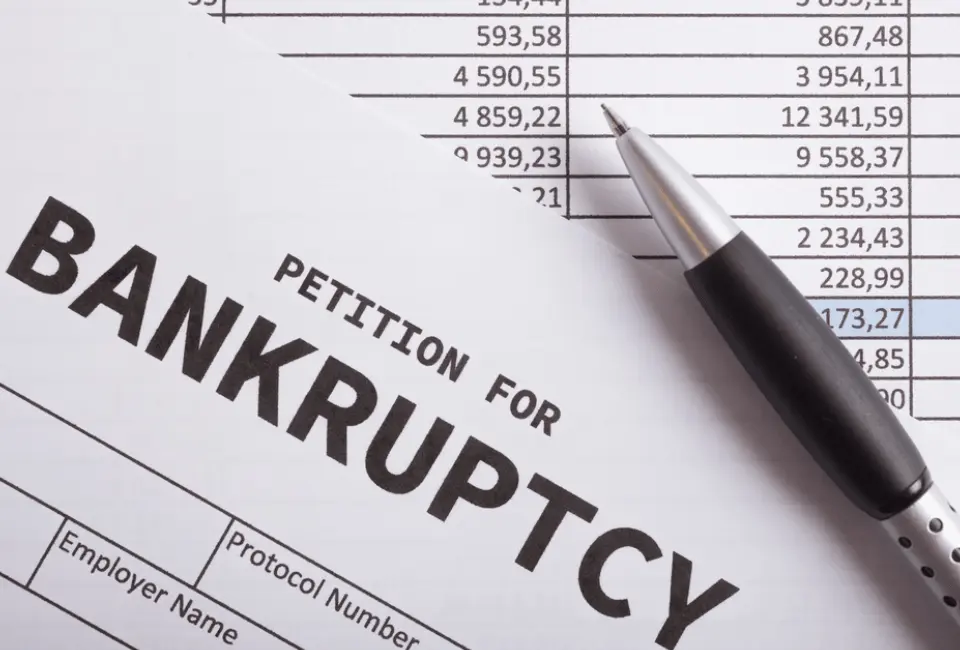
    • Filing the Petition: Submit the bankruptcy petition and accompanying bankruptcy forms to the bankruptcy court.
    • Meeting of Creditors: Attend a meeting where the bankruptcy trustee and creditors can ask questions about your financial affairs.
    • Confirmation Hearing: The bankruptcy judge reviews and approves the repayment plan.
    • Plan Payments: Make regular monthly payments to the bankruptcy trustee, who distributes funds to creditors.

    Throughout this process, it’s essential to maintain ongoing mortgage payments and adhere to the terms of the repayment plan.

    How Long Can I Keep My Home After Filing Chapter 13

    Addressing Other Debts

    Chapter 13 bankruptcy allows for the restructuring of various debts:

    • Unsecured Debt: Debts without collateral, such as credit card debt and medical bills, are often partially repaid based on disposable income.
    • Secured Debts: Debts backed by collateral, like car loans, are included in the repayment plan, so that the secured creditors receive payment.
    • Domestic Support Obligations: Child support and alimony must be paid in full and are prioritized in the repayment plan.

    It’s important to note that certain debts, such as those resulting from willful and malicious injury, may not be dischargeable under bankruptcy law.

    If you need assistance with personal or business bankruptcy and filing in Tennessee, reach out to The Pope Firm and Charles Pope, Attorney At Law.

    Client Testimonials

    DISCUSS YOUR SITUATION WITH ONE OF OUR PROFESSIONALS TODAY

    Impact on Credit & Future Financial Health

    Filing for Chapter 13 bankruptcy will appear on your credit report for seven years. However, successfully completing the repayment plan can demonstrate financial responsibility and may improve your creditworthiness over time. Rebuilding credit involves making timely payments, managing new credit responsibly, and monitoring your credit report for accuracy.

    Working with a Bankruptcy Attorney

    Navigating the complexities of Chapter 13 bankruptcy requires professional guidance. A bankruptcy attorney can help you understand your options, prepare necessary documentation, and represent your interests throughout the bankruptcy proceeding.

    Conclusion

    Chapter 13 bankruptcy offers a structured path for Tennessee homeowners to retain their homes while managing overwhelming debts. By understanding the process, maintaining regular mortgage payments, and adhering to the debt repayment plan, individuals can work toward financial stability and protect their most valuable asset—their home.

    Contact The Pope Firm for Filing Chapter 13 in Tennessee

    If you’re considering chapter 13 bankruptcy to stop foreclosure and keep your home, The Pope Firm is here to help. Our experienced team offers guidance on Chapter 7 and Chapter 13 bankruptcy, payday loan debt help, and stopping creditor harassment

    Our expert bankruptcy attorneys will help you file bankruptcy and find a path forward. Contact The Pope Firm today at 423-929-7673 to schedule an appointment!

    The Pope Firm Best Bankruptcy Attorneys in Tennessee