
The reality of wiping out credit card balances for good starts with understanding why the debt keeps growing and what can happen when payments stop. Paying off a balance takes more than cutting spending. For some consumers, the next step means dealing with creditors, collection lawsuits, or a debt they can no longer manage. Keep reading to learn more.

Credit card companies make it easy to carry a balance, but the interest can make repayment difficult. When you pay only the minimum payment, much of your money may go toward interest instead of reducing the principal balance. A high annual percentage rate (APR) can keep the debt growing even when you make payments every month.
For example, a $5,000 balance with a 24% APR can generate roughly $100 in interest during the first month. A $150 payment would leave only about $50 to reduce the original balance, assuming no new purchases or fees. The exact amount depends on the card’s terms and how the issuer calculates interest.
Many credit card holders use their cards to cover groceries, utilities, medical bills, and other everyday expenses. When cash runs short, the card fills the gap. The next paycheck then goes toward the balance, leaving less money for current bills.
Breaking this cycle starts with reviewing your spending habits and monthly income. Look at recurring charges, new purchases, late fees, and the amount of interest on each account. If you cannot cover essential expenses and your minimum payments at the same time, you may need a different repayment strategy.

Your credit utilization ratio compares the amount you owe on revolving credit accounts with your available credit limits. High utilization can hurt your credit score, even if you make payments on time. Paying down balances can help lower that ratio, although other factors also affect your score.
Closing a credit card after paying it off may change your available credit and raise your utilization ratio if you carry balances on other cards. Review your overall credit situation before making that decision.
Missing a due date can lead to late fees, additional interest, and negative credit reporting. Repeated missed payments can prompt a creditor to close an account or send the debt to a collection agency.
Some consumers avoid calls, ignore mail, or fail to update creditors when they move. That response can cause problems beyond the unpaid balance. Creditors and collection agencies may send notices to an old address, leaving you unaware of a lawsuit or another time-sensitive matter.
Stop avoiding the problem long enough to find out where each account stands. Check your statements, review collection letters, and confirm that creditors have your current mailing address. Keep copies of communications and note important dates.
Credit card companies may sue to collect unpaid balances. If a creditor files a lawsuit, read the court papers carefully and check the response deadline. Ignoring the complaint can allow the creditor to seek a default judgment, subject to the applicable court rules.
A default judgment can give a creditor legal grounds to pursue collection methods that would not otherwise be available. Depending on the judgment and applicable law, those methods may include wage garnishment or the seizure of certain funds or property.
Do not assume that a lawsuit will disappear because you cannot afford to pay. Check the court records, identify the creditor, and get legal advice about the claim and your response options. If you dispute the balance, the account ownership, or the amount claimed, address those issues through the proper legal process.

In Tennessee, a creditor generally must obtain a court judgment before garnishing wages to collect ordinary credit card debt. State and federal law limit how much of a person’s disposable earnings a creditor can take. Tennessee law generally caps garnishment for ordinary debts at the lesser of 25% of disposable weekly earnings or the amount exceeding the applicable protected earnings threshold, subject to statutory rules and exemptions.
A wage garnishment notice does not mean a creditor can take every dollar from your paycheck. The calculation depends on your income, applicable exemptions, and the type of debt. Different rules apply to obligations such as child support.
Read any notice you receive and check the deadlines for contesting the garnishment or claiming an exemption. Certain benefits and funds may also receive legal protection, depending on their source and the circumstances.
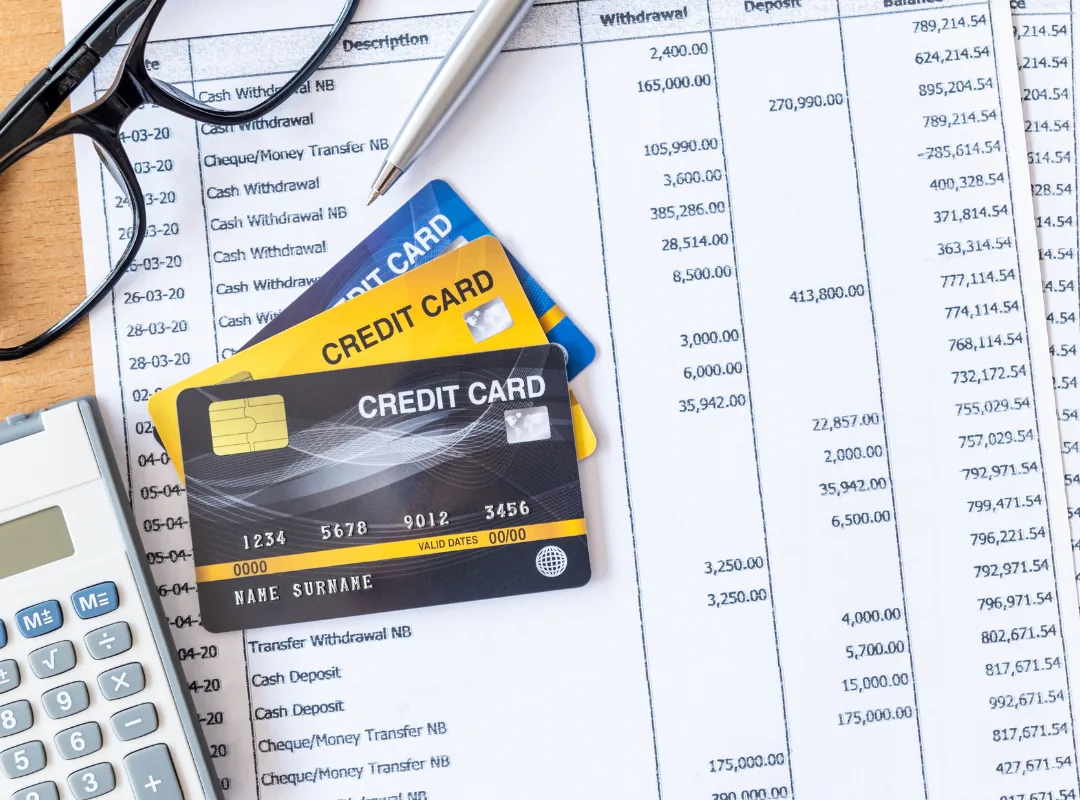
If your income covers your essential bills, a structured repayment plan may help you reduce balances without taking on more debt. List each account, its balance, APR, minimum payment, and due date. Then decide how much extra money you can put toward repayment each month.
Two common approaches can help:
Both methods require you to stop adding purchases you cannot afford to repay. Set payment reminders, review your bank account before due dates, and contact issuers early if you expect to miss a payment.
Struggling with credit card balances, collection calls, or mounting monthly payments? The Pope Firm helps individuals explore bankruptcy options under Chapter 7 and Chapter 13, depending on their financial circumstances and eligibility. Contact us for a free initial consultation to discuss your debts, review possible bankruptcy options, and learn what steps you can take toward financial relief.
Got Questions?
If you feel unsure about filing for bankruptcy or want guidance on your options, you should speak with experienced counsel. Below are common questions clients ask Pope Firm.
A: Yes. The Pope Firm handles bankruptcy and debt-relief matters. Depending on your eligibility, Chapter 7 or Chapter 13 bankruptcy may help address qualifying credit card debt.
A: Yes. Our firm also has offices in Kingsport, Knoxville, and Elizabethton, Tennessee.