
The fallout hits fast when your car is repossessed. Your mobility is compromised, and your financial situation can spiral if you don’t take quick and informed action. When your car is repossessed, you can retrieve it by redeeming the loan in full, reinstating your agreement by paying past-due balances and fees, or filing for bankruptcy to trigger an automatic stay that halts the sale of the vehicle. Acting quickly before the lender sells the car at a public auction or private sale is crucial to avoid a permanent loss of the vehicle and a costly deficiency balance.

Car repossession doesn’t come out of the blue. When you sign a loan or lease agreement, you agree to make regular car payments. Missing even a single payment can trigger a default clause. Once you default, the lender can repossess the vehicle without court approval. A repo agent can take the car from your driveway, the curb, or a parking lot, as long as they don’t use physical force.
The lender must send you a written notice if your car is repossessed. This will outline your rights, the amount you owe, and what steps you can take to reclaim the vehicle. Don’t toss it aside. It holds the key to your next move.
Time is not on your side. After a vehicle repossession, the lender can move fast—sometimes within a few days—to prepare the repossessed car for sale. The longer you wait, the harder it becomes to undo the damage. If you act quickly, you may still be able to redeem the car before it’s sold through a public auction or private sale.
Redemption means paying the full amount due on your loan, including missed payments, late fees, repossession and storage fees, legal fees, and any other applicable fees. If you have enough money, paying this lump sum can get your car back and stop the process in its tracks.

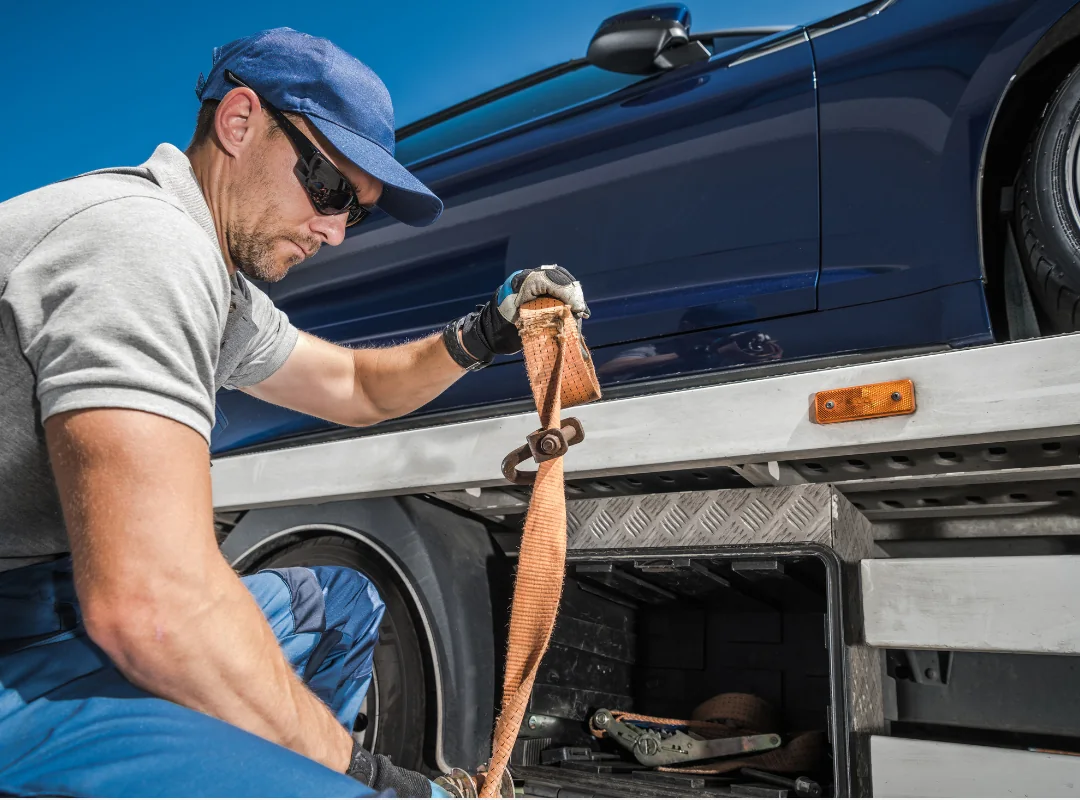
Returning your car after repossession is rarely as simple as paying what you missed. You’re also on the hook for a laundry list of repossession costs. These can include towing charges, storage fees, and administrative costs imposed by the repossession company. If legal action has started, legal fees may also apply.
Don’t assume the lender will waive these fees. The longer your car sits in storage, the more you owe. If the total amount becomes unmanageable, the lender may refuse to release the vehicle unless paid in full.

If paying the full amount at once feels like trying to climb a mountain in flip-flops, ask the lender if they’re open to a new payment plan. Some lenders will allow you to reinstate your loan by catching up on past-due payments rather than paying the entire balance. This could include missed loan payments, late fees, and applicable charges, but not the full balance of the loan.
This option varies by lender and by your state’s laws. Some states require lenders to offer reinstatement as a legal right. Others leave it to the lender’s discretion. Either way, if you’re in trouble making payments, this could buy you time and help you avoid repossession altogether.
You still have rights if you don’t act in time and the car is sold at a public auction or through a private sale. The lender must sell the vehicle commercially reasonably, meaning they can’t dump it below market value just to be rid of it. The sale proceeds will cover the repossession costs, then your loan balance. If there’s money left over, you’re entitled to that surplus.
But more often than not, the car sells for less than what you owe. That leaves you with a deficiency balance—the difference between your loan balance and the fair market value the car sells for. This amount becomes your new debt. The lender can pursue you for it, report it to the credit bureaus, or even file a lawsuit to collect.
Many people panic about the car but forget about their personal property inside. Once the vehicle is repossessed, the agent must inventory and secure your belongings. However, they are not required to store aftermarket additions to the car.
You have the right to retrieve your personal belongings. Contact the repossession company immediately and schedule a pickup. Don’t delay; some storage yards only hold items briefly before discarding them.
If you’re months behind and there’s no chance of catching up, voluntary repossession might be the cleanest option. It won’t erase the debt, but it can reduce some fees and make negotiating with the lender easier. When you choose this route, you return the vehicle willingly, avoiding the added costs of hiring a repo agent and reducing some legal exposure.
Still, this choice should be a last resort. A voluntary repossession appears on your credit report just like a standard one. And you may still owe the deficiency balance after the car is sold.
Repossession leaves a scar on your credit report that can last up to seven years. It signals to future lenders that you defaulted on a debt. That makes it harder to qualify for new credit or leads to much higher interest rates.
However, you can rebuild. Start by paying off the deficiency balance, if any, and stay current on all other debts. Over time, a positive payment history will outweigh the damage. You may also consider a secured credit card to help reestablish credit slowly and safely.
To keep from repeating this stressful cycle, you must manage your money like a tightrope walker—one wrong move can send you tumbling. If your car payments become too much, contact your lender before missing a payment. They may offer to restructure your loan, defer a payment, or suggest lower costs through a refinance. Communication is key here.
Stick to a budget, set reminders for due dates, and avoid taking on more debt than you can handle. When you know you’re heading for trouble, honesty and transparency with your lender can go a long way toward finding a solution.
Getting your car back after it’s been repossessed is more than a financial decision—it’s a legal and emotional battle. Every step, from understanding your loan agreement to managing repossession and storage fees, demands urgency and precision.
Whether you’re trying to recover a repossessed vehicle, avoid a deficiency balance, or regain your personal belongings, your actions in the next few days can shape your financial future. Please don’t wait for things to fix themselves.
If you’ve had your car repossessed, act quickly, understand your rights, and contact your lender to explore all possible options.
Navigating overwhelming debt can feel incredibly isolating, but The Pope Firm is here to evaluate your legal options under federal bankruptcy law. Attorney Charles Pope provides thoughtful guidance to help you with financial stability. To discuss Chapter 7 or Chapter 13 options, visit The Pope Firm at 404 East Watauga Ave. Johnson City, TN 37601 or call 423-929-7673 to schedule a confidential legal consultation today.
Got Questions?
Here are some questions that our client’s have asked us:
A: It is financially difficult, as you must quickly pay off the full loan balance or bring past-due payments, late fees, and repossession costs completely current.
A: It is worth it if the vehicle is essential for work and worth more than the accumulated repossession fees, but not if higher costs deepen your financial distress.
A: Yes, you can contact the lender to negotiate a revised repayment schedule, settle arrears, or modify loan terms before the car is auctioned.
A: Lenders typically provide a 10- to 15-day notice window after repossession to reinstate the loan or redeem the vehicle before selling it.
A: No formal car loan forgiveness programs exist, though lenders may offer hardship options like temporary payment deferrals or loan extensions.