
Partnerships and LLCs may have different bankruptcy options depending on their structure, debts, and financial goals. Chapters 7 and 11 are common options, but the way bankruptcy affects business assets, liabilities, and owners depends on the specific circumstances. This guide explains how bankruptcy works for partnerships and LLCs and what business owners should consider before filing. If your business is facing financial challenges, reach out to a bankruptcy attorney to understand the available legal options.
Remember that partnerships and LLCs operate differently from sole proprietors.
A sole proprietor is not legally separate from the business, which means the owner is personally responsible for all business debt. On the other hand, partnerships and LLCs create a separate business identity, and the business itself holds the company’s debts, not just the individuals who own it.
However, the degree of personal liability still varies. Many lenders require a personal guarantee when financing a small business, which means that the business owner may still be responsible for personal and business debts (if the business cannot pay creditors).
The two most common forms of business bankruptcy for partnerships and limited liability companies are Chapter 7 and Chapter 11 bankruptcy. The best option depends on whether the business wants to reorganize or close.
When a business can no longer operate or generate revenue to pay its debts, a Chapter 7 bankruptcy may be filed. Under this type of bankruptcy, the business shuts down, and a bankruptcy trustee is appointed to sell the business assets. After that, the proceeds are used to pay creditors. After liquidation, the business entity is dissolved.
In a Chapter 7 bankruptcy, the business does not receive a debt discharge the way an individual does in personal bankruptcy cases. Instead, the company ceases to exist after the liquidation. Because of this, Chapter 7 bankruptcy is generally used to close the business in a lawful and organized way.
When it comes to partnerships, this process may still leave remaining debts that partners must personally pay if they signed personal guarantees or the partnership agreement assigns responsibility for unsecured debts.
If you are going through this situation, you should hire an experienced bankruptcy attorney or bankruptcy firm to handle your case in a way that maximizes your benefits or makes things easier for you if possible.
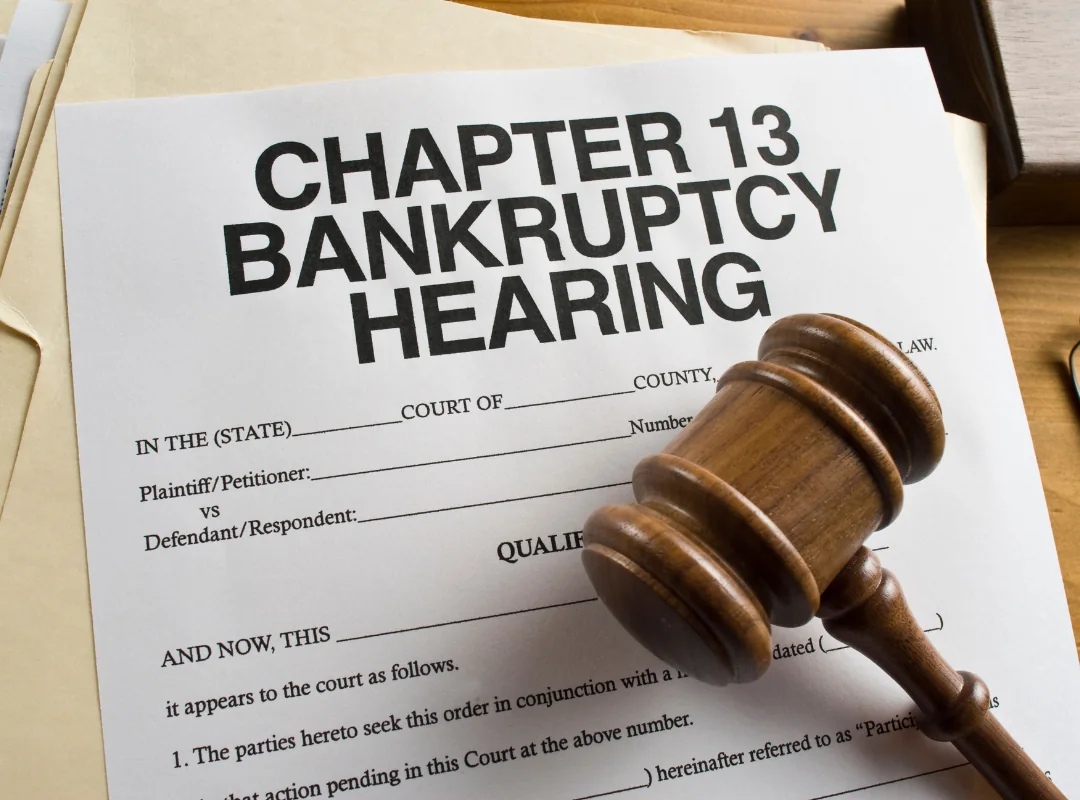
For businesses that want to stay open, Chapter 11 bankruptcy allows restructuring of business debts. This option involves proposing a repayment plan that unsecured creditors and the bankruptcy court must review. The business continues operating while reorganizing finances. However, Chapter 11 can be expensive and more complex. It may be better suited for businesses with ongoing revenue or long-term stability goals.
During a bankruptcy case, a bankruptcy trustee oversees the financial and legal process. In Chapter 7 bankruptcy, the trustee identifies and sells assets of the business, determines the order of payments, and distributes funds to unsecured creditors based on the bankruptcy code.
The responsibility of the trustee is to make sure all available assets are used to pay creditors. For partnerships and LLCs, this process focuses entirely on the business property—not personal assets, or household, unless personal guarantees are involved.
One of the primary benefits of forming an LLC or partnership is the separation between the business entity and the personal finances of the owner. Because the business is a separate legal entity, the personal assets of the owners are mostly protected from the company’s debts.
However, this protection is not absolute, and many small business owners sign a personal guarantee when applying for trade credit, loans, or leases. A personal guarantee makes the owner responsible for repaying all the business debt if the business cannot.
This means filing for business bankruptcy may not resolve the personal and business debts of the owner completely. In these situations, an owner may need to consider personal bankruptcy to address remaining unsecured debts.

During Chapter 7 liquidation, business assets such as vehicles, inventory, equipment, or accounts receivable are identified by the bankruptcy trustee and used to satisfy outstanding business debts. The more assets the business has, the more the trustee can distribute to unsecured creditors. If certain assets are pledged to lenders, those items may be sold separately or repossessed.
In businesses run as partnerships, each partner is generally personally responsible for paying the business’s debts, unless otherwise structured by a legal agreement. Even if the business closes through Chapter 7 bankruptcy, creditors may still pursue the partners individually. In such a situation, partners may need to consider filing their personal bankruptcy if the remaining debt burden becomes too large.
A limited liability company generally protects owners from personal responsibility for the company’s debts. However, that protection only applies when:
If these guidelines were not followed, creditors may attempt to claim personal assets.
The bankruptcy court examines the financial records of the business during the process, which includes tax records, debts, assets, and contracts. The goal behind this is to determine the best way to distribute value to unsecured creditors.
The bankruptcy court may also review the conduct of the business owners for any misuse of funds. Accurate documentation is highly important in any bankruptcy filing.
Understanding bankruptcy options for partnerships and LLCs allows you to make the right decisions before debts grow more difficult to manage or pay. These options vary based on the amount of business debt involved and the business’s structure. Partnerships may involve more personal liability if personal guarantees were signed, while limited liability companies may offer more protection as a separate legal entity.
Choosing between bankruptcy and a reorganization depends on whether your business can continue operating or must close. Taking time to review the treatment of business assets, the role of the bankruptcy trustee, and the effects on personal assets can help business owners move forward with clarity.