
Debt settlement offers immediate financial relief by negotiating reduced lump-sum payouts for unsecured debts, but it also carries significant short- and long-term consequences. In the short term, stopping payments during negotiations triggers late fees, collection calls, and an immediate drop in your credit score. Over the long term, settled accounts remain on your credit report for up to seven years, and forgiven debt exceeding $600 may trigger unexpected IRS taxable income liabilities.
Debt settlement is a procedure where you negotiate with creditors to pay less than the full amount owed on your unsecured debts, such as credit card debt. Typically, this involves either working directly with your creditors or employing a debt settlement company to handle negotiations on your behalf. The settlement company will often ask you to stop making payments to your creditors and rather deposit the funds into an escrow account.
Once enough money is saved, they will negotiate with your creditors to agree to receive a lump sum payment that is smaller than the total amount that is owed. While this approach can significantly reduce your debt, it may also come with fees and negatively impact your credit score.
A debt settlement company achieves savings for consumers by negotiating lower amounts on their debts, but this process carries risks such as potential damage to credit scores, accumulating penalties, and fees that could negate any savings.
Additionally, there is a possibility of legal consequences from creditors if payments are missed, and successful settlements depend on the consumer’s financial situation and ongoing communication with creditors.
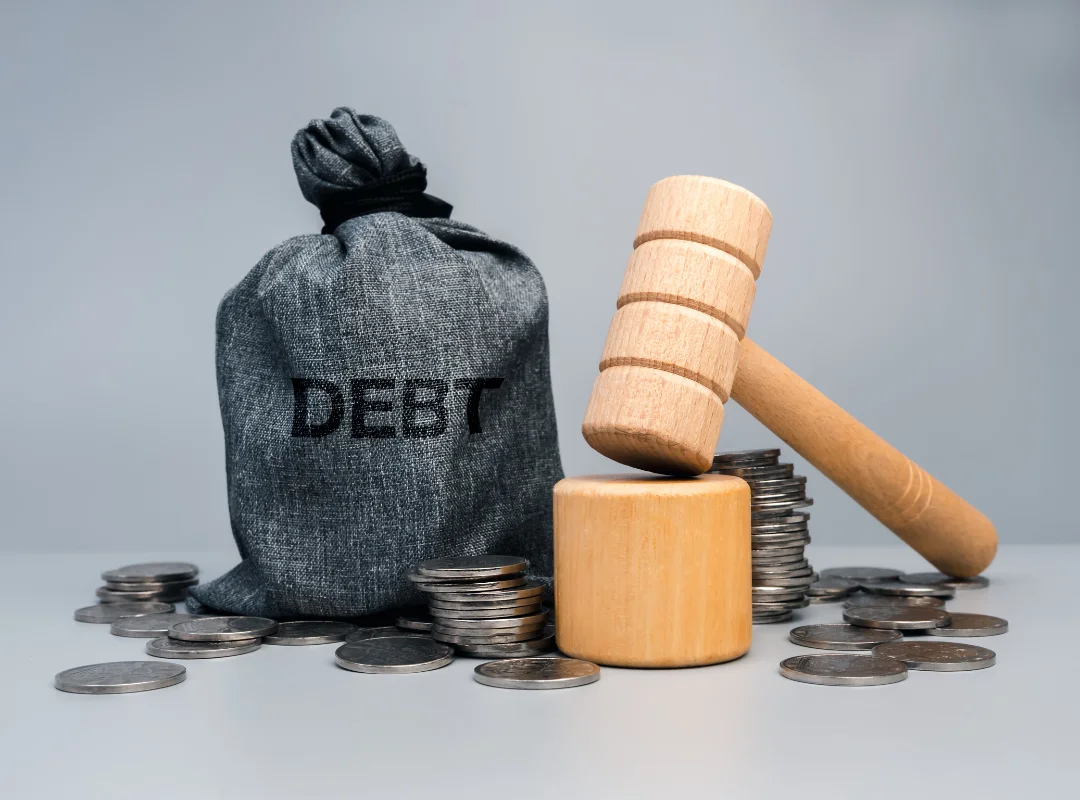
Debt settlement offers a mix of benefits and drawbacks that you should always consider before pursuing this option. Seeing a bankruptcy attorney in Johnson City can help you understand the implications of debt settlement and explore other legal options. On the positive side, it can reduce the total amount you owe, allowing you to pay off debts more quickly and potentially avoid bankruptcy. It can also provide emotional relief from constant debt collection calls.
However, there are significant downsides. Settling debt can severely impact your credit score, making it problematic to obtain loans or credit in the future. Additionally, discounted debt may be treated as taxable income by the IRS, resulting in unexpected tax consequences.
It’s important that you weigh these pros and cons carefully before determining if debt settlement is right for you. Learn more about the potential benefits of debt settlement here.
When considering debt settlement, it’s important to compare it with other debt-relief options, such as debt consolidation loans, credit counseling, and debt management plans. A debt consolidation loan combines multiple debts into a single loan with a lower interest rate and a structured repayment plan, making monthly payments more manageable.
Credit counseling provides guidance and support from nonprofit credit counselors who help create a budget and negotiate better terms with creditors. A debt management plan allows you to combine multiple debts into a single monthly payment, usually with lower interest rates and potential penalties waived, providing a structured way to achieve debt relief.
Each option has its own advantages and drawbacks, so it’s essential to evaluate your financial situation and goals to determine which approach best suits your needs.

Debt settlement can greatly affect your credit score, often resulting in a noticeable decline. When you settle a debt for less than you owe, it’s typically noted on your credit report and may remain there for up to 7 years. This can make it difficult to get new credit or loans, as lenders may view settled debts as a sign of financial instability.
Additionally, during the settlement process, you may miss payments, which could further damage your credit score. It’s important to weigh these potential impacts against the benefits of settling your debt. Read more about rebuilding credit after bankruptcy.
Selecting the right debt settlement company is crucial for a successful debt relief journey. Start by researching the company’s reputation, ensuring they are accredited by institutions like the American Fair Credit Council. Look for online reviews and testimonials from previous clients to gauge their experiences.
It’s also important to understand the company’s fee structure and ensure there are no hidden costs. Transparency is key; a reputable company will clearly explain the debt settlement process and set realistic expectations.
Finally, verify that the company complies with federal regulations to protect yourself from scams.
Debt settlement can have unexpected tax implications, as the IRS often regards forgiven debt as taxable income. This means that if a creditor forgives $10,000 of your debt, you may be required to pay taxes on that amount. It’s important to consult with a tax professional to understand how this could impact your tax situation.
In some cases, you might qualify for an exclusion, such as insolvency, which can help alleviate the tax burden. Being informed about these potential tax consequences can help you better prepare for any financial obligations that may arise after settling your debts.
If debt settlement doesn’t seem like the right fit for you, there are several other avenues to explore for managing your debt. A debt consolidation loan can bundle numerous debts into a single loan with a lower interest rate, simplifying your monthly payments. Credit counseling offers professional guidance to help you create a manageable budget and negotiate better terms with creditors.
A debt management plan provides a structured approach to paying off debts, often with lower interest rates and potential penalties waived. Each option has its own set of benefits and drawbacks, so it’s important to assess your financial situation and goals to determine the best path forward for you. Understanding these alternatives can help you find a service that aligns with your needs and financial objectives.
Once you’ve successfully settled your debts, it’s time to focus on rebuilding your credit. Start by checking your credit report to make sure that all of the settled accounts are accurately reflected. Also, ensuring that you are making timely payments on any remaining debts and new credit accounts can gradually improve your credit score.
You can consider getting and using a secured credit card to demonstrate responsible credit use and rebuild your credit history. Additionally, keeping a low credit utilization ratio and avoiding new debt can further improve your credit profile. Patience and persistence are important as credit repair takes time, but with a strategic approach, you can work towards a healthier financial future.
Deciding to file for bankruptcy is a significant decision that benefits from experienced legal counsel. Charles Pope at The Pope Firm is ready to examine your financial situation and explain available protections. Contact The Pope Firm at 423-929-7673 or 404 East Watauga Ave. Johnson City, TN 37601. We are a debt relief agency. We help people file for bankruptcy relief under the Bankruptcy Code.
Got Questions?
Here are some questions that our client’s have asked us:
A: It causes severe credit score damage, incurs taxes on forgiven amounts over $600, requires accrued fee payments, and leaves you vulnerable to creditor lawsuits while holding funds.
A: Industry data indicates that roughly 45% to 55% of enrolled accounts are successfully settled through debt settlement programs.
A: Persistent debt damages your credit rating, increases borrowing costs, restricts major wealth-building goals, risks wage garnishment, and causes chronic financial stress over time.
A: Yes, creditors frequently accept 50% settlements, particularly for past-due accounts, debts transferred to collection agencies, or when offered an immediate lump-sum payment.