
Bankruptcy can affect a default judgment by stopping some collection actions and possibly removing certain debts, depending on the type of judgment and bankruptcy chapter. Some judgments may qualify for discharge, while others may continue due to the nature of the debt. This guide explains how bankruptcy interacts with default judgments and what options you may have. If you are dealing with a judgment debt, a bankruptcy attorney can help you understand how the law may apply to your case.
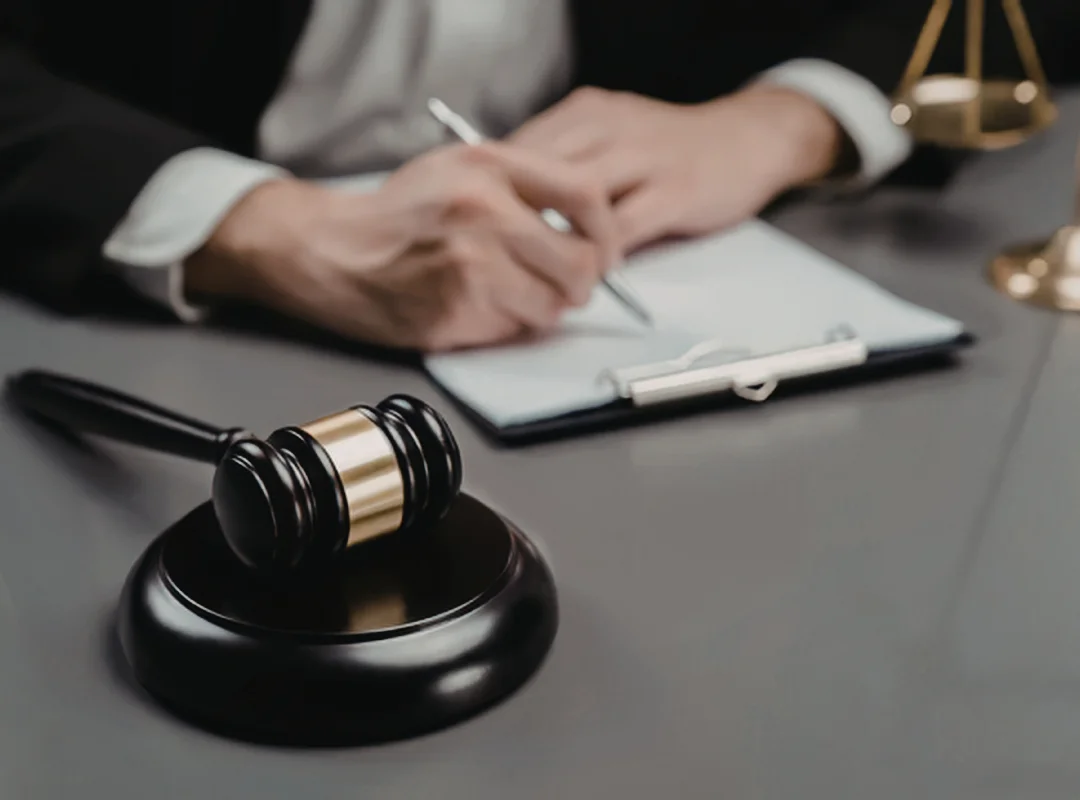
Filing for bankruptcy can be a strong tool to address a default judgment, a court order requiring a debtor to pay a specific amount to a creditor. When you file bankruptcy, certain debts, including some default judgments, may be discharged, meaning they are eliminated, and you are no longer legally required to pay them.
However, it’s important that you understand that not all default judgments are dischargeable. For instance, judgments related to fraud or malicious injury may remain. Consulting a bankruptcy attorney can help determine if your specific default judgment can be wiped out through bankruptcy. At The Pope Firm, we offer quality help for your bankruptcy concerns and problems! Get in touch and find out more.
Bankruptcy filing significantly impacts legal debts, including default judgments. When you initiate a bankruptcy case, an automatic stay is imposed, temporarily halting all collection activities, including those related to default judgments.
This pause relieves wage garnishments, bank account levies, and other collection efforts. Through the bankruptcy process, you will, in most cases, be able to remove some legal debts, transforming your financial standing. However, some debts, such as child support or certain tax obligations, are nondischargeable and must still be paid. Learn more about business bankruptcy options here.
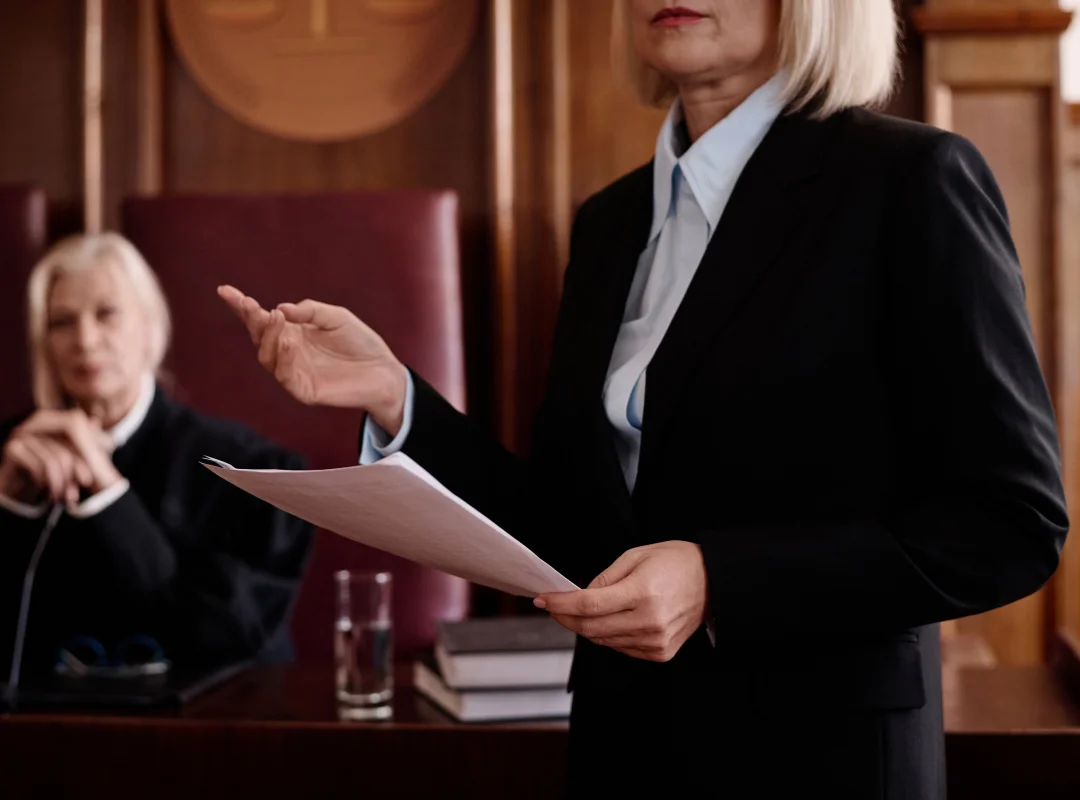

The bankruptcy court plays a necessary role in determining the fate of court orders, such as default judgments. Filing bankruptcy can alter or even eliminate these judgments, depending on their nature. For instance, a judgment lien attached to your property may be avoided if it impairs your exemptions.
Understanding how bankruptcy procedures interact with court orders is also important for effectively going through your financial recovery. A bankruptcy lawyer can provide better guidance on how a bankruptcy discharge may impact the specific court orders that you have been given.

After successfully filing for bankruptcy and receiving a discharge, taking proactive steps to protect yourself from future default judgments is important. This includes managing your finances in a mindful manner, avoiding accumulating new debts, and staying informed about your credit report.
Bankruptcy provides a fresh start, but maintaining financial discipline is necessary for making sure that you do not face another default judgment. Understanding your rights and responsibilities post-bankruptcy can also help safeguard against future legal action. Read more on rebuilding credit here.
Emerging from bankruptcy doesn’t mean the end of legal challenges, especially if a default judgment is involved. Post-bankruptcy, you may still need to address any nondischargeable debts or liens. It’s also important to follow bankruptcy procedures correctly to avoid any legal pitfalls.
Also, engaging with a bankruptcy attorney can help you solve these issues, make sure that there is compliance with bankruptcy law, and protect your interests. By understanding the legal landscape post-bankruptcy, you can better manage any outstanding debt obligations.
The intersection of bankruptcy and default judgments can be a quite challenging one, making legal advice indispensable. A bankruptcy attorney can offer you valuable insights into how bankruptcy law applies to your situation, especially when it comes to default judgments.
They can help assess whether your judgments are dischargeable and guide you through the bankruptcy process. Seeking legal advice helps ensure that you make informed decisions, maximizing the benefits of your bankruptcy filing while minimizing potential legal repercussions.
Addressing these questions is important for anyone considering bankruptcy as a solution to default judgments. Understanding bankruptcy law and its impact on default judgments can help you make informed decisions and achieve effective debt relief.
Real-world examples illustrate how bankruptcy can impact default judgments in practice. For instance, consider a scenario where an individual facing a default judgment for unpaid credit card debt files for Chapter 7 bankruptcy.
The bankruptcy judge may discharge the debt, relieving the individual of the obligation to pay. However, if the judgment involves nondischargeable debt, such as student loan debt, the outcome may differ. These examples show the importance of understanding the specifics of your default judgment when considering bankruptcy.
As bankruptcy law evolves, the treatment of default judgments may also change, affecting how individuals can use bankruptcy to address these judgments. Legislative changes and court rulings can influence which judgments are dischargeable and how judgment liens are handled.
Staying informed about these developments is important for anyone considering bankruptcy as a solution to default judgments. By understanding the potential future shifts in bankruptcy law, you can better prepare for how they may impact your financial strategy.
At The Pope Firm, we offer complete bankruptcy services tailored to meet your unique needs. Our experienced team provides personalized talks to help you understand your options, strategic planning to go through the complexities of bankruptcy law, and representation in court to protect your interests.
Does not matter if you’re dealing with default judgments, judgment liens, or other debts, we’re here to guide you through every step of the bankruptcy process. Moreover, we also offer Chapter 7, Chapter 11, and Chapter 13 Bankruptcy support. Contact us today to schedule a consultation and take the first step towards financial freedom.
Got Questions?
A: Bankruptcy may clear certain unsecured debts that caused defaults, but some obligations may remain depending on the type of debt and bankruptcy chapter.
A: Bankruptcy may stop enforcement of some judgments and discharge certain debts, but it does not remove all types of judgments.
A: It depends on the situation. Bankruptcy affects credit and finances, but it may provide relief when debt becomes unmanageable.
A: The better option depends on your financial circumstances. Bankruptcy may offer legal protection, while default can lead to collections, lawsuits, or other consequences.
A: Neither option is always worse. Bankruptcy has long-term credit effects, but a default may continue causing financial problems without a structured solution.