
You may be able to stop car repossession the day before it happens, but your options depend on your loan status, lender, and how quickly you take action. You may be able to catch up on payments, negotiate with the lender, or explore legal options such as bankruptcy. This guide explains the steps you can take to try to prevent a last-minute repossession. If you are facing an urgent repossession issue, a bankruptcy attorney can help you understand which options may apply to your situation.

Car repossession happens when you fall behind on car payments. If you have late payments or missed payments, your lender has the right to take the car back. That car is their personal property until the loan is completely paid off.
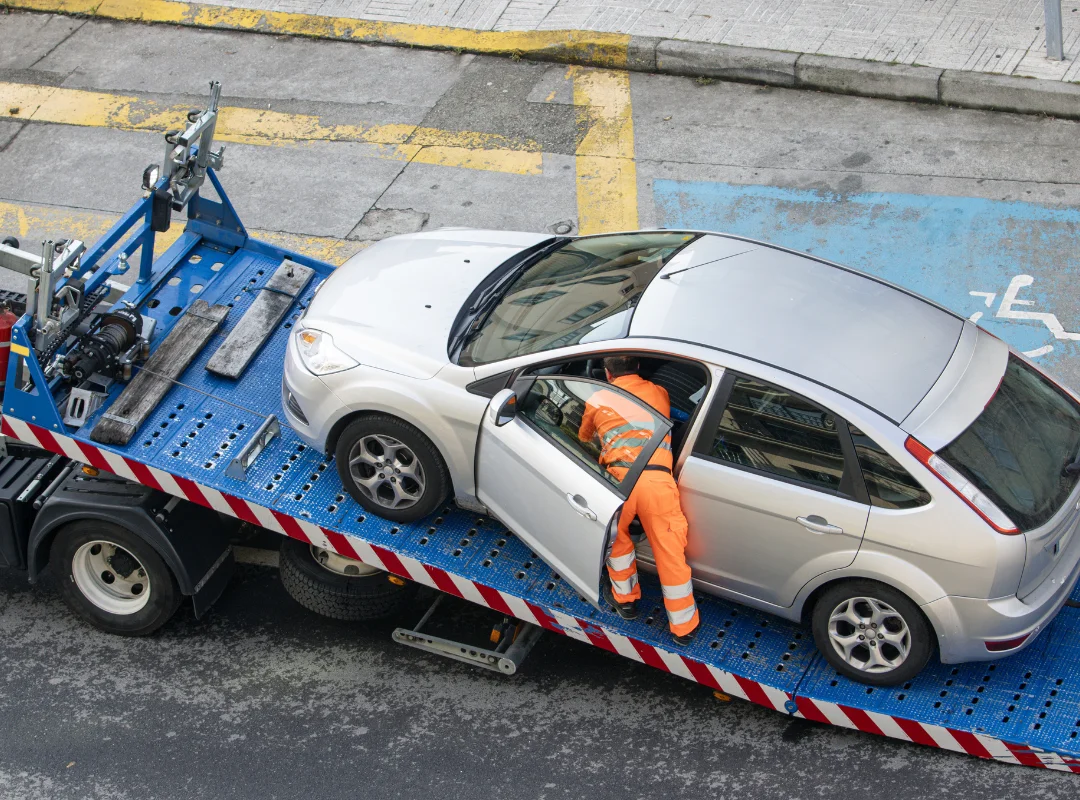
Once the repossession process starts, things move really fast. The lender can send a repo man without any warning. They don’t need to give you notice in many states. If you’re already facing repossession, waiting even one more day can make a huge difference.
What are your options for stopping car repossession the day before it happens? It depends on your situation. Some people try to catch up on past due payments. Others try to work out a payment plan. Some turn to a bankruptcy attorney at the last minute. The main point is this: you still have choices, even if time is running out.

If you have enough money to cover your past due payments and any late fees, you may be able to stop the repossession. Lenders want their money more than they want your car. That’s the fact. Paying the outstanding balance owed for missed payments can sometimes pause the repossession process.
But this only works if you have the money available. For many, financial trouble is what caused the missed payments in the first place.

If you can’t pay the funds at once, you may still try to negotiate. Some lenders accept a payment plan that lets you spread out the balance owed. This may give you time to catch up without losing your vehicle. Still, not every lender agrees to this. Some move straight toward vehicle repossession. If they do, you need to consider an alternative option.
One of the strongest tools for stopping repossession of your car the day before is filing for bankruptcy. The moment a bankruptcy petition is filed, an automatic stay goes into place, which is in your favor. This legally pauses the repossession process.
A bankruptcy attorney can file quickly, sometimes within a few hours. That’s why people often turn to bankruptcy when facing repossession of the car and running out of time.
Bankruptcy won’t erase your car loan, but it may let you restructure vehicle payments or work out a more manageable monthly payment. There are also some cases in which you may even be able to lower your loan balance or interest rate.
If the repossessed vehicle is taken, the story doesn’t end there. The lender sells it, usually at auction. The money from that sale is applied to your loan balance.
Here’s the problem in this situation: cars at auction often sell for less than you owe. That leaves a deficiency balance. The bad news is that you’re still responsible for paying that. The lender may even take you to court for a deficiency judgment to collect the rest of the money.
On top of that, you could face legal fees, added late fees, and sometimes a damaged credit score. That’s why so many people look for ways to avoid repossession of their car in the first place.
If you’re truly out of time, a free consultation with a bankruptcy lawyer could be your lifeline.
They can explain how bankruptcy may stop a repossession instantly and give you a chance to reorganize your debts.
Many people don’t realize that filing for bankruptcy can help with more than just vehicle repossession. It can also deal with medical debt, credit card balances, and other burdens that created the financial trouble in the first place.
Is stopping car repossession the day before possible? Yes, it is. It may not be easy, but options exist and you must avail them. You might set up a payment plan. You might catch up on past due payments. Or you might file for bankruptcy with the help of an experienced bankruptcy attorney.
Each path has pros and cons. If you do nothing, the lender will take your car. Then you’re left with legal fees, a deficiency balance, and more financial problems.
But if you take action on time, you at least have a chance. The most important step is to act fast. Waiting too long gives the lender the upper hand.
If you’re facing repossession, don’t wait until the repo man knocks on your door. Talk to a professional today about your options. A quick call could be the difference between keeping your car and losing it tomorrow.
Stopping car repossession the day before may feel impossible, but you have options. The Pope Firm bankruptcy attorneys in East Tennessee help clients in Kingsport, Johnson City, Bristol, and surrounding communities. We work with individuals facing car repossession, late payments, or other financial struggles.
We can help you explore solutions like debt consolidation, debt settlement, or even filing for bankruptcy. Our goal is to stop foreclosure, stop creditor harassment, and stop car repossession before it’s too late.
Call us today to schedule your FREE case evaluation and discuss how we can protect your vehicle and guide you toward financial relief.
Got Questions?
A: A repossession generally remains on your credit report for up to seven years from the date of the first missed payment that led to the default.
A: There is no fixed timeline. Some lenders may begin the repossession process after just a few missed payments, depending on the loan agreement and state law.
A: You may avoid repossession by making up missed payments, negotiating with your lender, refinancing the loan, or exploring bankruptcy if appropriate.
A: Repossession typically involves missed payments, default notices, lender collection efforts, vehicle repossession, and the sale of the vehicle to recover the remaining loan balance.
A: A car repossession can significantly lower your credit score and remain on your credit report for several years, making it harder to qualify for future credit.