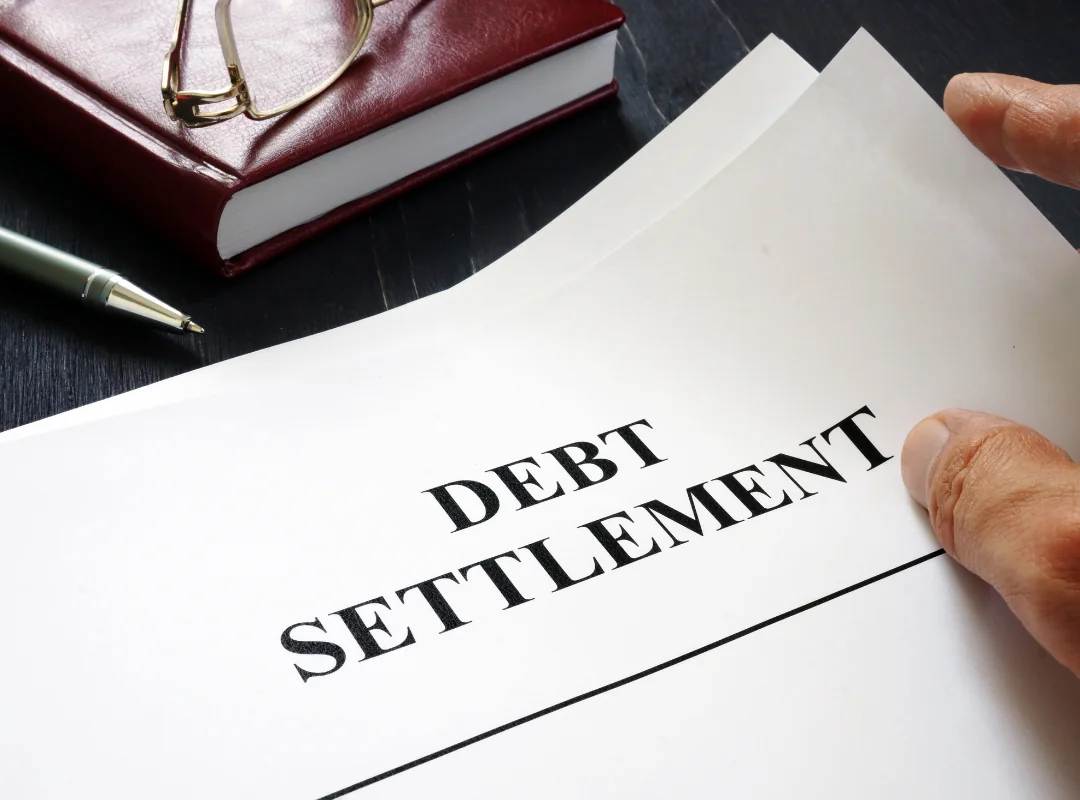
Debt settlement for unsecured loans is a process where you negotiate with your creditor to accept less than the full amount you owe as a final payment. It is typically an option for unsecured debts such as credit cards, personal loans, and medical bills. If the creditor agrees, you pay the negotiated amount, and the remaining eligible balance is forgiven. While debt settlement can reduce what you owe, it may affect your credit score and could have tax or legal implications depending on your situation. If you are considering this option, speak with an experienced debt settlement attorney to understand your rights, evaluate your options, and negotiate the best possible outcome.
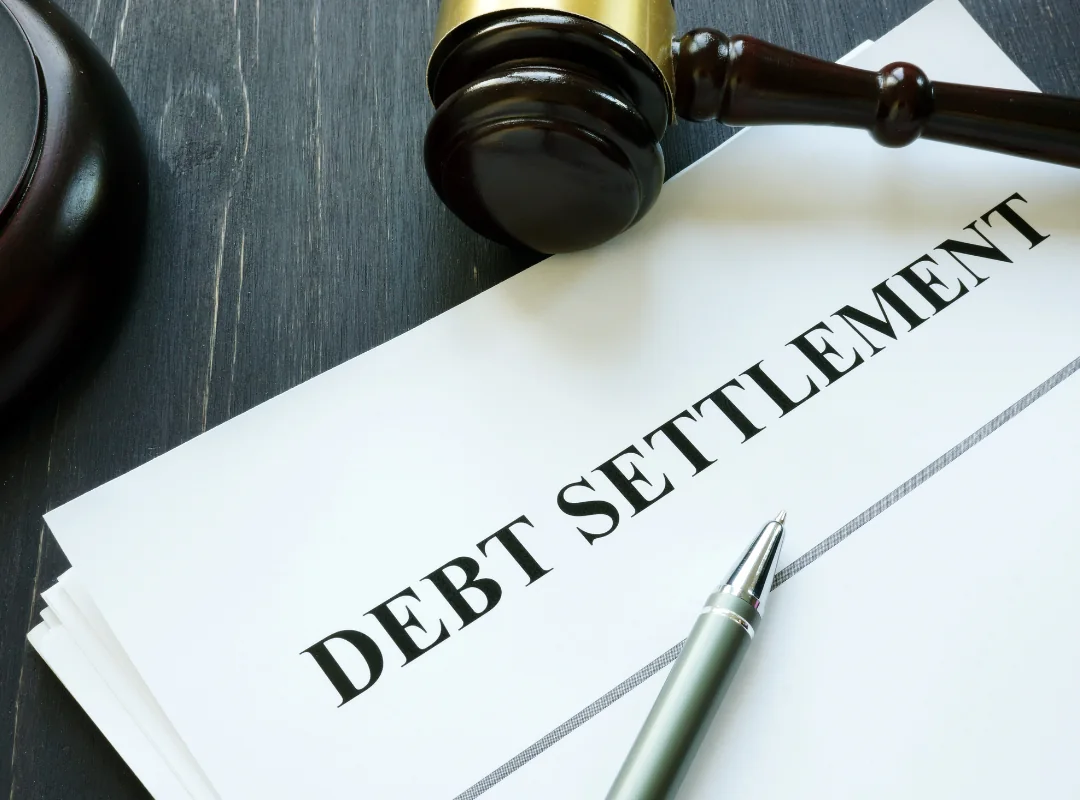
What is debt settlement and how does it work? Debt settlement is negotiating with a creditor to pay a lump sum for less than your full balance; e.g., paying $10,000 to settle a $20,000 debt. It works for unsecured debts (credit cards, medical bills, personal loans), not federal student loans or mortgages. You either negotiate yourself or use a settlement company, which collects payments from you and pays the creditor once a deal is reached. Once settled, the creditor can’t pursue or sue you for that debt, but interest/fees may keep growing until then, and it can hurt your credit.
Debt settlement for unsecured loans involves monthly payments and an agreement with the creditors on repayments that reduce total debts. So, this is a necessary process for people who want to identify means of improving and correcting their unpaid loans.
Debt settlement companies are an integral part of the debt relief industry as they help people with personal unsecured debts. Such specialized agents attempt to bargain on behalf of the debtor with creditors to secure a favorable deal.
Selecting a credible debt settlement company or firm that fits in with an individual’s financial objectives and ensures transparency is critical. Navigating a field of debt settlement companies requires considering the records, fees, and success rates in settling debts from these establishments.
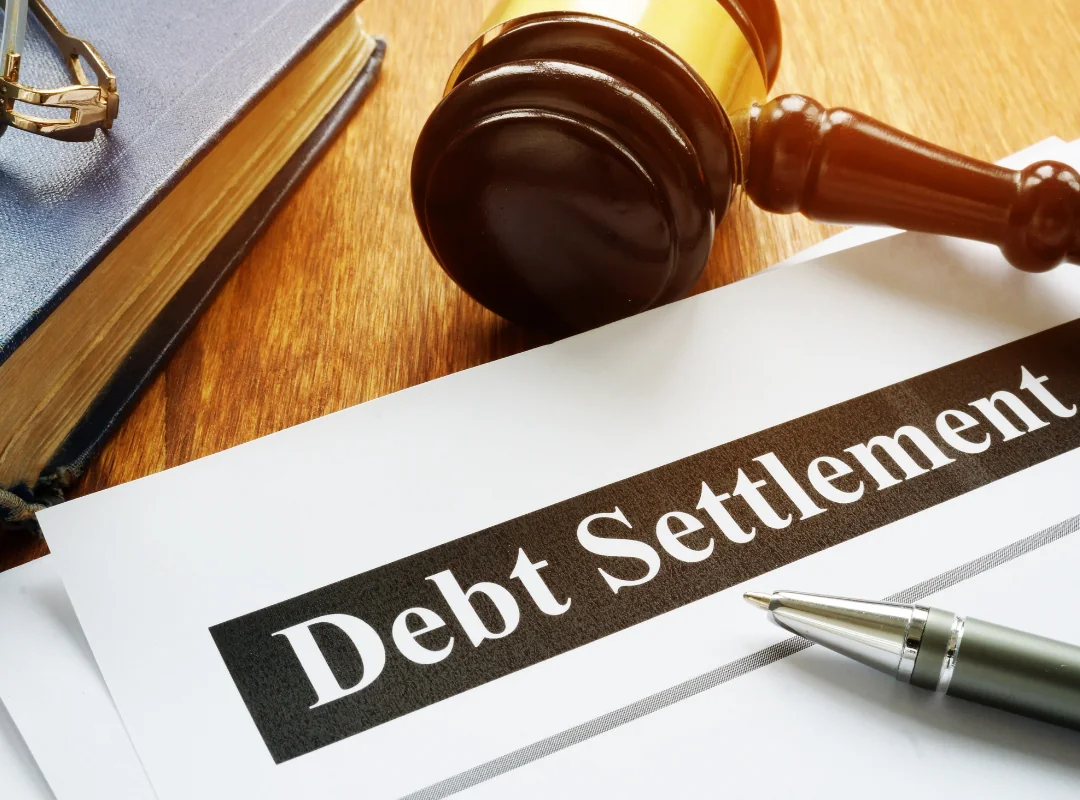
Exploring the core ideas of debt settlement with respect to unsecured loans reveals a complex strategy for handling financial obligations. This approach entails bargaining with creditors to reach a consensus on the reduced total repayment, an effective alternative to bankruptcy.
While people consider this alternative, knowing how it affects credit scores, possible risks, and cooperation with a reliable debt settlement firm remains essential. This study provides insights into the underlying concepts that shape settlement and credit scores, and the potential benefits of debt settlement.
In the search for financial security, a debt settlement option arises that is suitable for individuals with unsecured debts. This strategic arrangement entails negotiations with creditors to reach a beneficial compromise, usually leading to minimum overall liabilities.
The debt settlement procedure for unsecured loans needs to be understood, as it allows dealing with credit card balances, personal loans, and other types of debts. People can take active steps toward restoring control over their finances as they navigate this process.
A thorough evaluation of debt relief becomes essential, as well as comparing settlement on one hand against loan consolidation. Although both methods try to reduce financial burden, they function differently.
The goal of settlement is to reduce payments owed to creditors, thus reducing debts. It is known as debt consolidation when different debts are combined into one regular monthly payment. However, it is of great importance for people who need effective financial solutions to understand the details of these measures and their relation to a debt consolidation loan.
In most cases, managing the intricacies of debt resolution involves engaging a trustworthy debt settlement firm. It is these entities that negotiate with creditors to help debt-laden individuals. There are many things to learn regarding settlement companies; understanding how they operate is critical for those deciding on this road.
People can gain from the assistance of professionals in dealing with debt collectors and with their debt settlement process because experts provide guidance, negotiation power, and a structured approach to clearing financial liabilities.
To understand how settlement for unsecured loans works, it’s important to know that debt settlement is a process in which creditors negotiate to accept a reduced payoff as full resolution of the debt.
This method covers the following items: credit card debt, personal loans, and other unsecured debts. The knowledge of how debt settlement and credit counseling agencies operate enables individuals to manage negotiations and comprehend credit score changes and the consequences on their financial future.
If individuals consider unsecured debt settlement to address outstanding debt, several important factors should be taken into account. These include understanding the debt settlement process, assessing effects on credit reports and credit scores, and reviewing the terms and financial implications of any proposed settlement agreement.
Furthermore, considering things such as monthly payments, interest rates, and possible risks plays an essential part in coming up with the right decisions. As this article sheds light on these critical concerns, people can better manage the debt settlement process to deal with their debts successfully.
This analysis of the advantages and disadvantages concerning unsecured loan settlement offers a balanced approach for interested individuals considering a debt management plan for their finances. Positively, debt settlement comes with the prospect of lower total debt and faster recovery.
On the other hand, one should remember that credit scores are a factor to consider, as well as the risks of debt settlement scams. This study aims to reveal both the positive and negative points of settlement as a solution, steering people toward decisions that are consciously made in selecting this method for finding financial balance.
The debt resolution process comprises many essential steps to help individuals handle and remove unsecured debts. Primarily, creditors should be contacted first and informed of the intention to settle; their lines must remain open for negotiation. Create a dedicated savings account to pile up money for settlements.
As negotiations progress, the debt settlement company, if involved, works to achieve favorable terms with creditors, aiming for a reduced total payment. Once an agreement is reached, the debtor can make a lump sum payment or structured payments, successfully concluding the settlement.
Throughout this journey, maintaining open communication, staying informed about potential risks, and understanding the impact on personal credit card debt and scores are essential for a successful debt settlement process.
At The Pope Firm, we’re here for you with tailored debt relief solutions. Offering bankruptcy solutions, debt settlement, payday loan debt help, and more, our legal team helps you overcome financial challenges.
Contact us today to discuss your options and get your personalized debt settlement program.
Got Questions?