
Yes, bankruptcy filings are submitted electronically through the federal court’s online system, though the process still requires completing credit counseling, gathering detailed financial records, and often working with an attorney to prepare accurate paperwork. Filing online doesn’t mean going it alone, since mistakes in your petition or missed deadlines can delay your case or lead to dismissal. Let’s learn more.

Technological advancements make it simple to file for bankruptcy online from the comfort of your home. You may not need to set foot inside a law firm for most of the process, but any effort to file for bankruptcy requires a few in-person steps. Any work that needs outside assistance does well with the help of bankruptcy attorneys.
The online filing version is not necessarily easier, and the legal process might seem complicated without the right experience or law firm representative.
The short version of the debt relief process is as follows:
Most of the above requirements are possible online, but some areas of the United States do not allow you to represent yourself electronically. Many locations still require you to mail or bring your bankruptcy petition and associated documents to a local bankruptcy court. Any bankruptcy filing fee must be paid in person or through the mail via check (if allowed online, you can use a debit card, but not a credit card).
Hiring a bankruptcy attorney is a great idea for the court filing process, but some third parties can offer assistance in other areas, like a bankruptcy petition preparer. However, a petition preparer is not a legal professional who is qualified to advise or represent you. They will not be able to guide you through the process, online or in person.
These services will be able to type your petition for you in the correct format, but you will need to submit your bankruptcy case petitions to the federal courts and attend court hearings yourself. This somewhat defeats the purpose of filing for bankruptcy on the internet, but there are many steps that do benefit from online preparation.
In contrast, a law firm can prepare any required documents and forms for you and walk you through the entire process. Their professionals are capable of offering legal advice about filing bankruptcy online, and they honor the attorney-client relationship. Your legal professional may even submit your case to the bankruptcy law courts without you ever needing to leave your home.
Filing with the bankruptcy courts often comes with filing fees that you’ll need to handle, and our attorney team will help you navigate this part of the process.
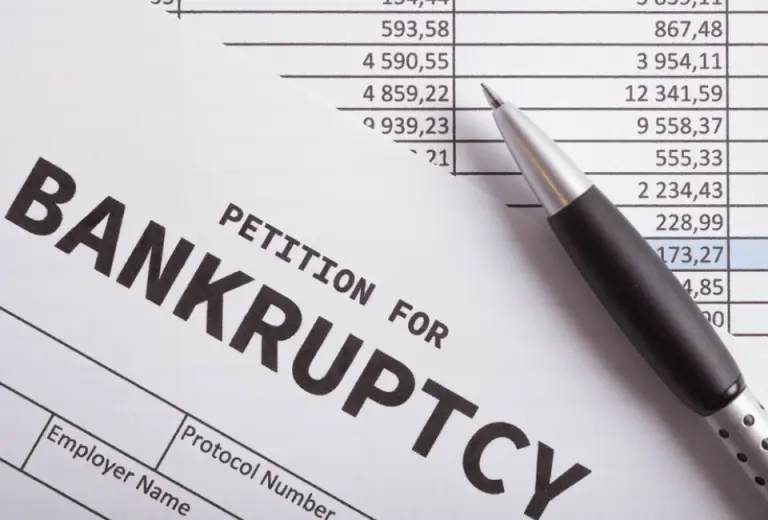
Online bankruptcy for individuals comes in two types: Chapter 7 bankruptcy and Chapter 13 bankruptcy. The main difference involves how your individual or business’s debt is forgiven by the legal authorities.
Chapter 7 bankruptcy ensures that all of your existing unsecured debts are pardoned. It might be at the expense of some of your property or other forms of ownership that are useful in helping repay those liabilities. Chapter 13 bankruptcy usually allows you to keep your property via a petition or exemption, but you will be expected to repay most or all of the debts you owe via an official debt repayment plan.
In both cases, the bankruptcy court, bankruptcy judge, and court employees will decide how long you have to pay back your eligible debts.
Depending on your situation, there are different types, officially known as “chapters” of bankruptcy, that you can file for. These different chapters of bankruptcy provide different results for different cases, and it’s important to have some knowledge of these chapters before filing for bankruptcy.
Chapter 7 bankruptcy is a commonly filed chapter of bankruptcy and is intended for use by low to moderate-income individuals with more debt than they’ll ever be able to repay. If properly executed, this chapter of bankruptcy can eliminate most or all of a person’s unsecured debt. If you’re eligible, Chapter 7 could be a great debt relief solution for you.

Another great debt relief solution is Chapter 13 bankruptcy, which works great for people who aren’t eligible for Chapter 7 bankruptcy. This chapter allows the debtor, or the person who has borrowed money, to restructure their payment plans to be more manageable. At the end of this payment plan, most unsecured debts are discharged or eliminated. This is sure to provide some much-needed breathing room for those people who feel in over their heads and are in need of some debt relief.
Contact the legal team at The Pope Firm if you’re facing repossession or wage garnishment, and you think the professionals can help you with your online bankruptcy case or a bankruptcy discharge.
We help all our clients navigate bankruptcy with as little fanfare as possible, whether it is from our offices in Johnson City, Kingsport, or Elizabethton, TN.
We offer all clients a free evaluation where you can meet our representatives and ask any questions you need to know about your case. Contact us at 423-929-7673.
A: It depends on your assets and the type of bankruptcy. Many people keep most or all of their property through exemptions.
A: Filing online can be safe if you use the proper court system and follow all legal requirements.
A: There is no minimum debt amount required to file for bankruptcy.
A: Factors such as fraud, recent bankruptcy filings, or failing eligibility requirements may affect your ability to file.
A: Yes. If you cannot repay your debts, $10,000 may be enough to make bankruptcy an option.
A: Some debts, such as child support, alimony, most student loans, and certain taxes, are generally not discharged.