

The Means Test functions as a two-stage evaluation under 11 U.S.C. § 707(b). First, your annualized current monthly income is compared directly against the median income benchmark for a household of your size in Tennessee. If your household income falls at or below the state median, you automatically qualify for Chapter 7 relief without requiring further financial calculations.
If your income exceeds the Tennessee median benchmark, you proceed to the second phase of the test. Here, standardized IRS Collection Standards (local allowances for housing, utilities, and transportation) are subtracted from your monthly income. Our attorneys calculate these statutory expense deductions to determine your net disposable income and identify whether special financial circumstances exist to rebut any presumption of abuse and secure your Chapter 7 eligibility.
Our first move is to review your assets and build a realistic budget that keeps your business fully funded. This early preparation ensures your daily operations stay completely stable as we move into the legal steps of your restructuring plan.
Lock down immediate court protection
The second we file your paperwork, a federal automatic stay goes into effect. This means all commercial collections, active contract lawsuits, asset foreclosure threats, and bank account levies are generally stayed upon filing, giving your management team vital breathing room while we prepare the rest of your reorganization plan.
Reorganize operations & modify toxic debt
We evaluate your commercial financial profile to reject unprofitable leases, downsize overhead, and alter the repayment terms of secured loans. Chapter 11 provides the unique legal authority to reduce principal balances and lower interest rates to match your actual operational cash flow.
Secure your official plan confirmation
The court issues a formal confirmation order, legally binding your creditors to the newly adjusted repayment terms. Your past-due commercial burdens are officially restructured into a manageable, multi-year framework, leaving you with an opportunity to strengthen your business’s financial position.

The bankruptcy Means Test was established under the Bankruptcy Abuse Prevention and Consumer Protection Act (BAPCPA). It helps determine whether a debtor has sufficient disposable income to repay obligations through a Chapter 13 plan rather than seeking a complete Chapter 7 discharge. The statutory test applies primarily to consumer debt filers whose financial liabilities stem from personal, family, or household expenses. The Pope Firm conducts a full analysis of your financial profile to determine whether your situation even requires Means Test qualification.
Applicable Filing Categories:
For debtors whose gross household income exceeds the Tennessee state median, the Means Test permits statutory expense deductions to lower calculated disposable income. Rather than relying solely on your actual living costs, the Bankruptcy Code mandates the use of IRS National and Local Standards alongside specific actual monthly expenses. The Pope Firm identifies and documents every applicable statutory allowance to reflect your true financial position.
Allowable Statutory Expense Deductions:
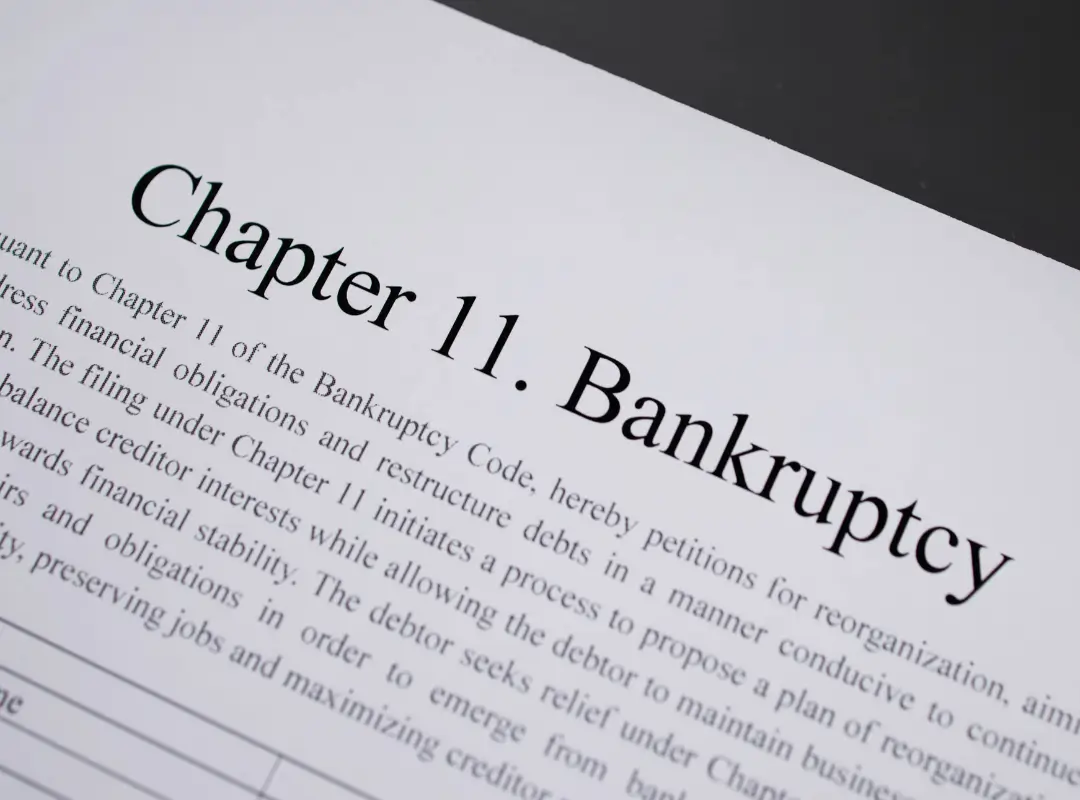

Failing to pass the Chapter 7 Means Test does not close the door on total debt relief. If your household income tops Tennessee’s statutory limit, federal law provides immediate alternative options. Chapter 13 allows high-earning individuals to consolidate debt into an affordable 3- to 5-year repayment plan. Business owners can leverage Chapter 11 or Subchapter V to shield operations without liquidating company assets.
Miscalculating IRS expense allowances or omitting key income deductions can lead to swift case dismissals in court. Partnering with a skilled attorney ensures every line item on your filing—from medical costs to vehicle loans—is calculated accurately under 11 U.S.C. § 707(b). If Chapter 7 is out of reach, we pivot immediately to design a custom repayment plan that safeguards your property and halts creditor pressure.
The Pope Firm serves clients across Tennessee, including Johnson City, Knoxville, Kingsport, Chattanooga, and Morristown. Reach out to our team today to review your income statements, evaluate alternative filings, and secure your financial clean slate. We stand ready to deliver clear, result-driven legal protection every step of the way.
Posted on Google
 Paul Zanoni
Trustindex verifies that the original source of the review is Google.
Mr. Pope handled my case with great care and understanding. Considering the dire situation I found myself in when I first contacted his firm, I did not feel embarrassed or ashamed at any point during our interaction. Stephanie did an outstanding job of helping me to organize all of my paperwork; she was not only efficient but was a joy to work with.Posted on Google William garlandIm so glad the pope firn was there to help me Through my legal A fires there is no Doubt i had the best legal team that i could Possibley i could ever have they are Truly the Best pepole you can ever work with with you in minde .try them out & see for Yourself.Posted on Google
 MacAmazing experience! Especially considering the limited time to put everything together. Definitely call the Pope Firm ASAP for tax and personal debt legal counsel! Thanks!Posted on Google
 Jeanne BoydEvery easy to work with. Went over everything and allowed me to ask whatever questions I had. I recommend the Pope firm.Posted on Google
 Mia DykesVery professional and knowledgeable, easy to work with and will do everything they can to make any experience easy. I would would recommend the Pope Firm for any legal advicePosted on Google
 Margaret MullinsStaff was courteous. Mr Pope took his time to explain things to me and my daughter, Amanda .Posted on Google
 Dustin OverbeyGreat experience. Professional.Posted on Google
 Amy BlevinsThey move fast and the process is easyPosted on Google
 Diane SchumanIt was very smooth. They helped us with all our questions.Posted on Google
 Phillip MoreningsThey are awesome to work with