Chapter 13 bankruptcy can help homeowners keep their property by allowing them to repay missed mortgage payments through a court-approved repayment plan while staying current on future payments. It may also stop foreclosure proceedings, but success depends on meeting the plan’s requirements and maintaining ongoing payments. Talk to an experienced bankruptcy to understand how Chapter 13 may affect your home and get legal guidance through the process.
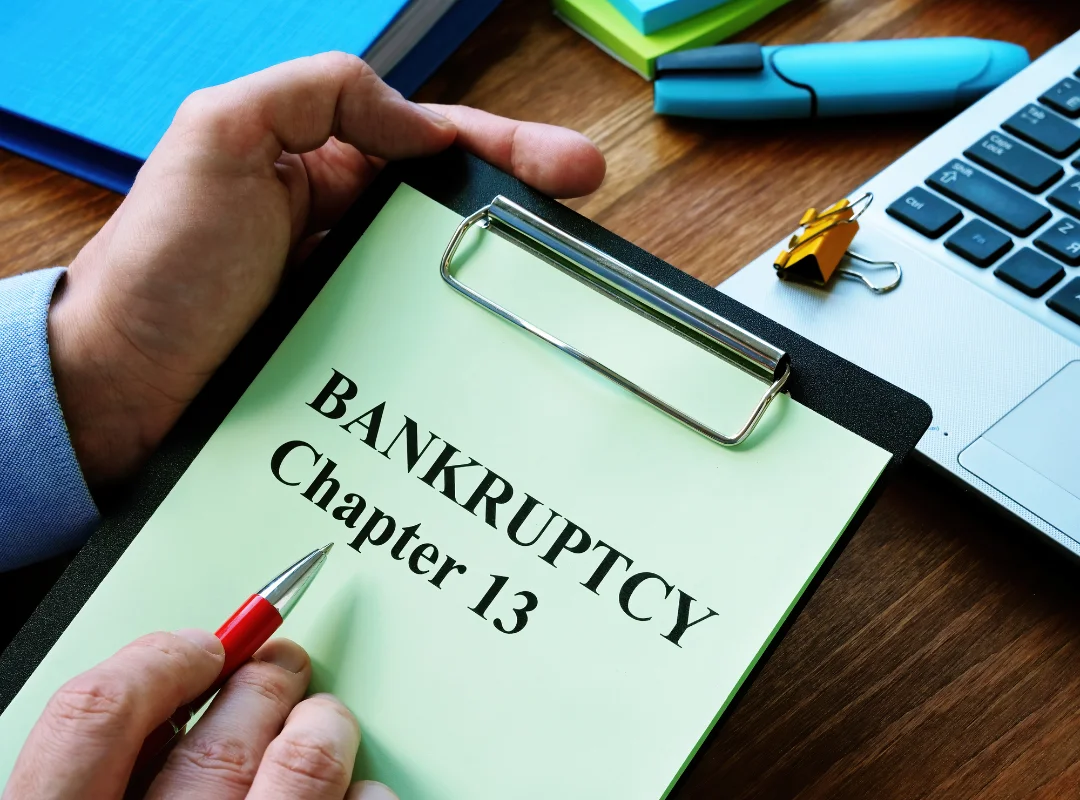
Chapter 13 bankruptcy offers individuals facing financial difficulties a structured way to deal with their debts while keeping their assets intact, particularly their homes. This legal process involves developing a repayment plan that helps manage debts over a specific period, typically a waiting period of three to five years.
For homeowners specifically, Chapter 13 bankruptcy can serve as a lifeline since it puts foreclosure proceedings on hold and allows them to catch up on missed mortgage payments, car loans, and other secured debts. In this introduction, we delve into the significant interaction between Chapter 13 bankruptcy and homeownership, shedding light on how this approach to filing bankruptcy often aids individuals in saving their homes from foreclosure while effectively handling their financial matters.
Chapter 13 bankruptcy, also referred to as a “wage earner’s plan,” constitutes a vital legal framework with the explicit intent of delivering debt alleviation for individuals who regularly generate income. Within this division, we will explore the core principles and procedures associated with Chapter 13 bankruptcy, wherein debtors collaborate with their appointed trustee to devise a repayment strategy hinged upon their current income and disposable earnings.
This encompassing plan encompasses an array of financial obligations such as mortgage loans, vehicle financing, mortgage loan, and credit card debts. By providing an attainable pathway for debt management, Chapter 13 enables homeowners to retain ownership of their primary residence while diligently managing their financial affairs and adhering to a structured timeline of monthly payments aimed at fulfilling repayments.
Chapter 13 bankruptcy cases are significantly impacted by homeownership, first mortgages often playing a vital role in the entire process. The prospect of losing one’s home due to foreclosure becomes more manageable with Chapter 13 as it allows individuals to cease foreclosure sales and create a strategy for catching up on overdue mortgage payments.
Within this section, we delve into the significant correlation between homeownership and Chapter 13 bankruptcy, elucidating how debtors can safeguard their main residence by utilizing this bankruptcy process to effectively manage an array of debts such as mortgage debt, a second front mortgage payment, mortgages, and other secured obligations.
When confronted with financial difficulties, homeowners face a multitude of considerations regarding Chapter 13 bankruptcy. This type of bankruptcy holds significant benefits and drawbacks. An essential advantage of filing for bankruptcy is the opportunity to halt foreclosure proceedings and safeguard their primary residence. Individuals can rectify missed mortgage payments and outstanding secured debts by crafting a repayment plan and forging a structured pathway toward financial stability.
Moreover, Chapter 13 offers the possibility of minimizing or restructuring various other forms of debt, such as credit card debt or personal loans, which facilitates more manageable management of overall monetary obligations. Nevertheless, there are downsides worth noting: the lengthy duration of the repayment plan (usually three to five years), potential limitations on the future ability for certain kinds of debt relief, and an essential requirement to adhere to all terms defined in the plan itself meticulously.
Prioritizing their specific circumstances and consulting attorneys and financial advisors empowers homeowners to discern which bankruptcy filing and bankruptcy court route – Chapter 13 bankruptcy – best suits their needs by balancing advantages and disadvantages responsibly.
Chapter 13 bankruptcy incorporates a crucial element that involves the development of an individualized repayment plan that accommodates the financial circumstances of each homeowner. However, within this customized debt repayment plan, specific timeframes and payment amounts for different debts are outlined to facilitate homeowners in catching up on missed mortgage payments and other secure obligations within a manageable period.
The plan is meticulously designed, considering the debtor’s disposable income, household expenses, and asset value. It offers homeowners a structured framework to regain control over their financial situation while safeguarding their principal residence from foreclosure repercussions.
By collaborating closely with a bankruptcy attorney or trustee, debtors can negotiate favorable terms that enable them to retain ownership of their home while satisfying the demands of the bankruptcy estate and their creditors.
Navigating mortgage payments and arrears within the framework of Chapter 13 bankruptcy involves a strategic approach to address delinquent mortgage payments while adhering to the guidelines of the bankruptcy process. A crucial component of this strategy is the formulation of a repayment plan, which outlines the schedule and structure for repaying mortgage arrears and other debts.
This plan is proposed to the bankruptcy court for approval, and upon acceptance, it becomes a binding agreement between the debtor and their creditors, including mortgage lenders. Bankruptcy law recognizes the significance of maintaining one’s primary residence. Chapter 13 offers a mechanism to achieve this by halting foreclosure proceedings and facilitating a structured process for repaying delinquent mortgage payments over time.
By working in collaboration with mortgage lenders and other creditors and following the guidelines of the bankruptcy process, homeowners can chart a path toward financial recovery while safeguarding their homeownership.
Chapter 13 bankruptcy can have a multifaceted impact on home equity and property value. While the immediate financial relief provided by Chapter 13 can aid homeowners in catching up on missed payments and preventing foreclosure, its long-term effects can vary.
On the one hand, completing a Chapter 13 repayment plan can help stabilize a homeowner’s financial situation and preserve their property value. However, bankruptcy filing may also show up on credit reports, affecting a homeowner’s creditworthiness and ability to secure favorable interest rates. As homeowners work to fulfill their repayment obligations and adhere to their Chapter 13 plan, they can gradually rebuild their financial standing and maintain their property as an essential asset.
Harassing phone calls and debt collection notices create severe daily stress. When you retain The Pope Firm, our legal team takes over communication with your creditors to enforce your rights under federal law. Upon filing your bankruptcy petition, court orders prohibit collection agencies from contacting you directly while your case proceeds. Let The Pope Firm help you explore your rights under Chapter 7 or Chapter 13 bankruptcy. Reach out to our office today to discuss your debt options and take the first step toward restoring your peace of mind.
Got Questions?
While in an active Chapter 13 plan, buying a house is difficult since most lenders want to see the bankruptcy fully discharged first, and you’d also need trustee approval to take on new debt. Some FHA and VA loans allow purchases during Chapter 13 if you’ve made at least 12 on-time payments and get court permission, but conventional loans almost always require the case to be closed.
It varies by loan type. FHA and VA loans may be available as soon as 12 months into a Chapter 13 plan with on-time payments and court approval. Conventional loans typically require 2 years after discharge, though some lenders may consider you sooner with strong credit rebuilding and a solid explanation.