
Rebuilding your credit after bankruptcy requires a deliberate strategy, starting with a review of your credit reports from Equifax, Experian, and TransUnion to confirm that discharged debts reflect a zero balance. By utilizing tools like secured credit cards, credit-builder loans, and maintaining strict on-time payment habits, individuals can begin seeing meaningful credit score improvements within 12 to 24 months after discharge.

Filing for bankruptcy, a challenging yet occasionally essential measure to alleviate excessive debts, can significantly impact an individual’s credit score. Declining bankruptcy remains visible on one’s credit report for numerous years, effectively a credit score and conveying the financial hardships faced by reliable borrowers in previous times to potential lenders.
This unfavorable mark can result in obstacles when trying to get credit products to acquire new credit, increased interest rates, secured loan amounts, and limited choices for borrowing funds. It is crucial to fully comprehend the extent of the harm caused by bankruptcy to develop a comprehensive strategy for rebuilding good credit and reclaiming financial solidity.
Re-establishing credit after bankruptcy necessitates a systematic plan and dedicated adherence to sensible credit habits and savings account and monetary practices. An immensely fruitful tactic involves the acquisition of a secured credit card, employing it judiciously, and submitting timely payments as a testament to newly acquired fiscal prudence.
Furthermore, vigilantly handling current debts, maintaining a credit limit, minimal utilization of available credit, and refraining from indiscriminate credit inquiries are vital measures toward progressively enhancing one’s credit rating. Patience, determination, and informed fiscal choices will ultimately lay the groundwork for an elevated financial and other credit profile and reputation.
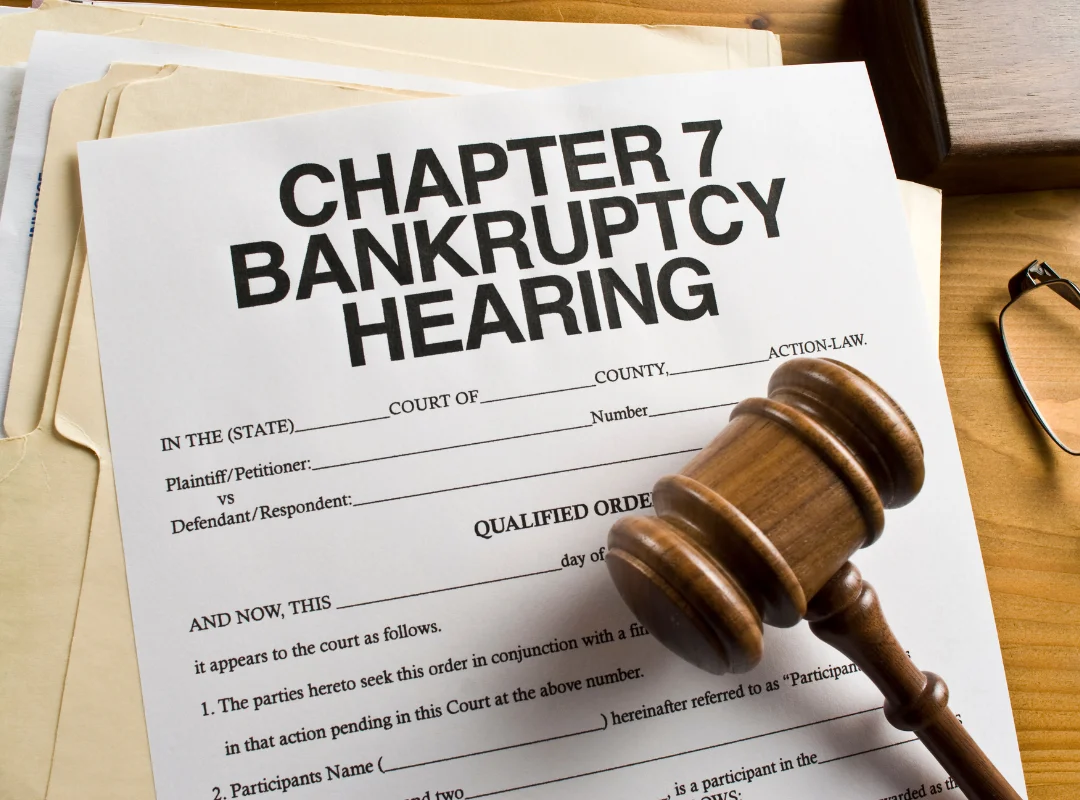
To successfully recover credit following bankruptcy, it is crucial to have a thorough and all-encompassing financial plan. This plan should include careful attention to budgeting to manage expenses effectively, prioritize the repayment of debts, and set aside funds to establish an emergency savings fund.
By developing a clear vision for immediate and long-term financial goals, individuals can gain direction and motivation as they embark on their journey toward rebuilding their creditworthiness. Additionally, seeking guidance from finance and credit reports professionals and investing in self-education can prove invaluable when crafting a personalized strategy that aligns with one’s particular circumstances, serving only as an unwavering foundation for future financial achievements.
Establishing and maintaining a favorable payment history and credit information is a cornerstone of credit restoration after bankruptcy. Consistently making on-time payments for all financial obligations, including credit cards, loans, and utility bills, showcases reliability and responsibility to potential creditors.
Automatic and monthly payments made, payment reminders, and setting up electronic alerts can help ensure that no payments are missed. Each timely payment contributes positively to rebuilding credit, gradually erasing the negative impact of past financial difficulties and signaling a fresh start for credit reporting agencies and future lenders alike.
Rebuilding credit is of utmost importance after experiencing bankruptcy, although it may pose challenges when seeking new lines of credit. Exploring various avenues such as secured credit cards, credit-builder loans, or retail store credit cards is advisable to obtain the needed credit. However, before submitting applications, thorough research into the terms and conditions is essential to avoid falling prey to predatory lenders or being subjected to excessive fees.
Once approval has been obtained, effectively managing these new lines of credit becomes crucial. One must only charge expenses to checking accounts that can be comfortably repaid and make deliberate efforts to keep interest rates on their overall debt under control. By consistently making timely payments on these newly acquired accounts, one will gradually prove their financial reliability and reestablish their creditworthiness over time.
Navigating the aftermath of bankruptcy can be perplexing, but it is crucial to handle interactions with creditors and collection agencies responsibly and proactively. First, ensure you possess a copy of your discharge papers as evidence that your debts have been eliminated. When contacted by creditors or agencies, maintain composure and assertiveness while informing them about your bankruptcy status and providing the appropriate documentation.
If their persistence continues, seeking legal counsel to safeguard your rights would be wise. It is important to remember that certain debts might not qualify for discharge; hence, a comprehensive comprehension of your financial situation, more about your credit history, is essential in abiding by any court-approved repayment plans.
Make punctual payments each month to showcase your reliability as a borrower. Keep your credit utilization low and refrain from applying for multiple loans simultaneously, as these actions can negatively impact your credit. Slowly but surely, your creditworthiness will improve, allowing you to access more favorable loan options.
Regularly scrutinize your credit records to trace advancement and promptly rectify any inaccuracies that may occur. Enrich your understanding of personal finance by actively engaging in educational pursuits to enhance money management skills and enable well-informed decision-making regarding credit utilization and borrowing activities.
You can gradually pave the way toward a more promising financial future by channeling devotion and resolute resolve toward this endeavor.
Deciding to file for bankruptcy is a significant decision that benefits from experienced legal counsel. Charles Pope at The Pope Firm is ready to examine your financial situation and explain available protections. Contact The Pope Firm at 423-929-7673 or 404 East Watauga Ave. Johnson City, TN 37601. We are a debt relief agency. We help people file for bankruptcy relief under the Bankruptcy Code.
Got Questions?
A: Rebuilding credit requires deliberate consistency, but it is straightforward if you manage small credit lines, maintain zero balances, and make every payment on time.
A: Open 1–2 secured credit cards immediately after discharge, keep your balance under 10% of your credit limit, and maintain on-time payments for 12 to 24 months.
A: Yes, achieving a 750 score is entirely possible within 3 to 5 years after discharge by maintaining low credit utilization, adding diverse credit accounts, and avoiding late payments.
A: Yes, an 800 score is achievable, though it typically takes 6 to 10 years of perfect payment history, responsible credit mix management, and low credit balances.
A: Scores usually begin recovering within 6 to 12 months after discharge as new positive payment history accumulates, with steady improvements continuing each year.